Health and Sport Committee
Annual Report 2016-17
Introduction
This report covers the work of the Health and Sport Committee during the Parliamentary year from 12 May 2016 to 11 May 2017.
In the first six months of the Parliamentary session we agreed to hold a series of evidence sessions looking at a range of issues identified as some of the most pressing and important in enabling the healthcare system to continue to deliver a world class service.
The latter half of the Parliamentary year saw us concentrate in more detail on specific areas of health and sport policy.
At the Committee business planning day in September we agreed a strategic plan. It is our understanding we are the first Scottish Parliament Committee to have a strategic plan. Our Strategic Plan provides a focus for our work and those who wish to engage with us. It underpins all that we do. The full Strategic Plan can be viewed in the Equalities, Engagement and Innovation section of this report.
Membership changes
There was one change in Committee Membership during the reporting year:
Richard Lyle left the Committee on 30 March 2017
Richard Lyle was replaced by Jenny Gilruth
Inquiries and reports

We agreed to carry out a series of short sharp inquiries in the autumn of 2016. The breadth of this work was designed to give the Committee a grounding in a number of vital reforms and other areas of health, sport and social care.
Delayed discharges
A delayed discharge is a hospital patient who is clinically ready for discharge from inpatient hospital care but continues to occupy a hospital bed beyond their ready for medical discharge date. We considered what the causes of delayed discharge were, whether investments have made a difference and looked at the barriers and solutions to eradicating delayed discharge.
A survey was issued to all Integration Joint Boards at the start of the session which included a section on delayed discharges. Following analysis of survey responses a sample of integration joint boards, local authorities and health boards provided oral evidence on 6 September 2016.
On the 5 October we wrote to the Cabinet Secretary for Health and Sport outlining our findings and requesting further information in a number of areas including delays caused by the need for court orders, measuring and quantifying costs and care pathways. The Cabinet Secretary responded to the Committee’s letter on 17 October.
On 19 October we received a letter from East Ayrshire Health and Social Care Partnership in response to our letter to the Cabinet Secretary. A follow-up letter to the Cabinet Secretary was sent by us on 8 November who responded on 18 November.
Social and community care workforce
The Inquiry sought to establish if there were enough staff to fulfil the vision of a shift from hospital care to community care and how quality of care is ensured. It also focused on pay and retention, including whether the living wage would be adequate to retain staff.
We met care staff on an informal basis and then held two oral evidence sessions. A roundtable with relevant stakeholders on 13 September and a session with the Scottish Government on 27 September.

After the formal evidence session on 13 September we received updates on the Scottish Living Wage from Scottish Care and the Coalition of Care and Support Providers in Scotland.
We wrote to the Cabinet Secretary advising of our findings on 26 October. These included the need for the role to be valued in society, better commissioning of services, workforce planning and Brexit and the living wage. We received a response on the 1 December.
In an oral evidence session on 20 December with the Cabinet Secretary on the Scottish Government's Draft Budget we further pursued our interest in the provision of the living wage in future financial years.
GPs and GP Hubs
This Inquiry provided an introduction to the Scottish Government’s approach to primary care reform. It considered difficulties in recruitment and the extent to which the proposed centralised GP led health care hub approach will assist in reducing demand on GPs as individuals. It was also used to identify how pharmacists and other health professionals will fit into the new hubs and how their contribution will be measured.
We held 3 formal evidence sessions looking at GPs and GP Hubs. On 20 September we heard from a roundtable focusing on GPs and GP Hubs. Following this, on 27 September, a panel of witnesses focused on GP recruitment and the Scottish Government discussed both GP recruitment and GPs and GP Hubs.
On 17 October we received a letter from the Cabinet Secretary following her appearance on 27 September. We received a further letter from the Cabinet Secretary on 8 November which provided an update on the General Medical Service (GP) contract.
We wrote to the Cabinet Secretary on 9 November outlining our findings. These sought information on budget changes, GP recruitment and retention, information sharing and the methods of evaluating proposed changes. We also sought information about patient input to reforms. The Cabinet Secretary responded on 14 December and we issued a further letter on 18 January. The Cabinet Secretary for Health and Sport responded on 3 February.
In addition to the responses noted above the Cabinet Secretary for Health and Sport sent additional correspondence to us on 25 January relating to the work of government short life working groups covering GP sustainability, GP clusters and GP premises.
Recruitment and Retention
This Inquiry was used to gain an overview and understanding of recruitment and retention issues within the NHS workforce in Scotland including in rural and remote areas.
On 20 July, prior to taking any oral evidence, we wrote to the Scottish Government and NHS Education for Scotland seeking information on current policies and initiatives to improve the retention and recruitment of staff, focusing in particular on staff in rural and remote areas.
We also issued a targeted call for views over the summer and received 20 responses.
Two roundtable evidence sessions were held on 1 November. The first focused on general recruitment and retention issues and the second on rural recruitment and retention issues.
These roundtables were followed by oral evidence from the Scottish Government on 8 November.
We wrote to the Cabinet Secretary with our findings on 9 December, highlighting concerns around areas including workforce planning, vacancies and their recording and the increased use of agency staff. A response was received on 12 January.
Mental Health
Research indicates that 10% of children and young people (5-16 years) have a clinically diagnosable mental health problem, disproportionately affecting persons from lower income households. Our inquiry sought to understand the barriers to accessing children's mental health services and why significant variations in waiting times and accessing treatment continue to occur across Scotland. We also looked at the previous mental health strategy to identify both positive and negative impacts and sought to feed into the new mental health strategy.
We issued a call for views on mental health over the summer and received 30 responses.
Thereafter we held four evidence sessions covering CAMHS and adult mental health services. On 8 November and 15 November the Committee heard from panels about CAMHS. These were followed by a roundtable looking at adult mental health services on 22 November. The final evidence session was with the Scottish Government on 29 November and covered CAMHS and adult mental health services.
Following the evidence sessions we wrote to the Minister for Mental Health on 15 December outlining our findings to input into the ongoing mental health review The Scottish Government published its Mental Health Strategy 2017-2027 on 30 March. The Minister for Mental Health issued a brief response on 12 January before responding fully on 23 January.
Targets
We agreed to carry out an inquiry into targets in the NHS. However following an announcement from the Scottish Government on 8 June that they were to carry out a review on targets it was agreed that we would take evidence from the expert group once it was formed.
On 15 November we took evidence from Sir Harry Burns, the Chair of the review into targets and indicators and we look forward to hearing from him further when his review is published in spring 2017.
Obesity
The prevalence of people overweight and obese in Scotland is high, and the underlying trend is increasing. We looked to increase understanding of the causes of obesity; financial cost; and how the targets associated with participation in physical activity and sport for adults are to be met.
On 15 July the Convener wrote to Aileen Campbell, Minister for Public Health seeking an indication of any proposals to update current policy and a response was received on 12 August.
Two oral evidence sessions were held on the 6 December. One roundtable with stakeholders and then a session with the Minister for Public Health.

On 23 January we wrote to the Minister for Public Health outlining our findings. Our letter highlighted ongoing concerns around marketing and promotion, regulation and fiscal control of high salt, high fat foods. We also noted concern that there is still a link between obesity and inequality and asked what the Scottish Government were doing to address this. We received a response on 17 February.
The Committee are considering whether any aspects of this inquiry would be open to being legislated.
Having completed our initial work programme and developed a wider understanding of the bigger picture around our remit we agreed to undertake a series of larger inquiries.
Preventative agenda
A call for views was issued on 3 February which received 67 responses.
We held an initial evidence session on 21 March where the main features and pitfalls of using preventative spend as a means of scrutinising expenditure on health were outline.
Given the cross cutting nature of the subject and with a desire to invite all members to participate we held a debate in the Chamber on 18 April to hear views from others on how other committee remits impact on the preventative agenda. This debate, and the other evidence already received will inform the second stage of this inquiry later in the year.
Sport for everyone
The focus for this inquiry was sport participation, the Commonwealth Games legacy and barriers to sport. The remit of our inquiry was to:
Consider the degree of progress made in recent years around access to and participation in sport in Scotland; and
Make recommendations in ensuring Active Legacy aims of increasing access to and participation in sport continued over the medium to long term.
We agreed the inquiry would have an initial fact-finding phase (phase 1) followed by a more detailed look at certain aspects of participation and barriers to sport (phase 2).
We held a series of fact-finding visits and conducted a survey which examined the barriers to sport participation. We also held an oral evidence session on 21 February.

Our interim report was published on 8 May. We noted a lack of apparent active legacy as a result of the Glasgow 2014 Commonwealth Games and that volunteer numbers, which had increased during the Games, had not been sustained. Our report also raised concerns around continuing issues in accessing the school estate.
The approach to phase two of the inquiry was agreed on 16 May and a call for views will be issued on 19 May running until 30 June.
Integration authorities consultation with stakeholders
We agreed, as part of our budget scrutiny for 2017-18, to examine Integration Authorities’ (IAs) approach to engagement with their stakeholders and whether or not IAs are doing enough locally to involve patients, carers, the third sector and others in the design and future of health and social care locally.
A call for views was issued on 13 February and received 51 responses.
Two oral evidence sessions were held on 25 April with stakeholders and integration authorities. An oral evidence session with the Scottish Government will be held later in the year.
NHS governance - creating a culture of improvement
We agreed to conduct an inquiry into NHS Governance, looking to explore the culture of the NHS and the way this impacts on patients. Our intention is to look at a number of issues related to this theme including how change is managed in the NHS and the impact this has on staff.
This inquiry aims to ascertaining how well NHSScotland’s policies and systems are operating to deliver good governance and create a culture of improvement. The work will consider three main strands to NHS Governance; staff, clinical and corporate.
Formal evidence will begin in June.
We also carried out two short, sharp inquiries into areas that we felt needed looked at. These were Healthcare in Prisons and Child Protection in Sport.
Healthcare in prisons
The inquiry was established with the following aims:
To consider how health and social care is delivered in prisons and the cost of the service;
To consider access to health and social care and medicines in prison; and
To consider the effectiveness of health and social care in prisons.
In our inquiry we wanted to consider the extent to which prisons take advantage of what should be a unique opportunity to address and reduce health inequalities. We also wished to consider what health support was offered following release. A further consideration was to consider the current and future pressures on the delivery of healthcare in prisons, not least the ageing prison population which will inevitably bring with it the need to care for people with end of life and other social care requirements.
We published our report on Healthcare in Prisons on 10 May in which we expressed concern about the failure to make promised improvement and disappointment that the opportunity to tackle health inequalities was not being taken. We recommended a strategic plan be put in place to address these and other issues and called for increased accountability. A response to the report from the Scottish Government is due by 5 July.
Child protection in sport
Following a number of former football players having spoken publicly about allegations of historical child sexual abuse in football we agreed to conduct a short inquiry. We wanted assurances the current safeguards in place across football and other sports clubs are sufficient to ensure child sex abuse in sport could not happen today.
We held four evidence sessions. On 7 February a panel of witnesses looked specifically at football. This was followed by a roundtable of stakeholders from other sports, Volunteer Scotland and children's charities. On 21 February we took evidence from the Scottish Government followed by a further evidence session with football representatives on 7 March.
We published our report into Child Protection in Sport on 26 April. The report recommends changes to the current Protecting Vulnerable Groups Scheme and its operatoin in sporting organisations: it raises specific concerns on the position with football. An initial response from the Scottish Government was received on 28 April. A response to all the recommendations in the report from the Scottish Government is due by 21 June.
Correspondence Issued
When scoping out our work for the autumn we identified several areas which merited investigation through correspondence with the Scottish Government, some are detailed below.
Ageing population
Fertility treatment
The Minister for Public Health and Sport wrote to us on 22 June 2016 highlighting the publication of the National Infertility Group Report and the Scottish Government’s confirmation it will accept all but one of the report’s recommendations. Following our response on 15 July the Minister for Public Health and Sport replied on 29 August and provided a further update on 23 March.
We also wrote to all Scottish NHS boards and received 12 responses.
Palliative and end of life care
As a follow-up to the Inquiry to Palliative and End of Life Care carried out by the previous Health Committee and the subsequent publication of a new Scottish Government Palliative and End of Life Care Strategy we wrote to the Cabinet Secretary for Health and Sport on 16 November.
A response was received from the Cabinet Secretary on 6 December and further response from us was sent to the Cabinet Secretary on 19 January which was replied to on on 9 February.
Budget Scrutiny
We agreed at the start of the Parliamentary session to seek to build an element of budget scrutiny into all of our work. We agreed to move away from the traditional approach of just considering the Scottish Government's proposals for its budget in the autumn. We have sought to remove the direct link between the Scottish Government's draft budget and our budget scrutiny with a view to influencing the content of the draft budget and the relative priorities given to the health and sport elements.
2016-17 was the first full year of operation of the new integration authorities who have responsibility for a budget spend of over £8 billion per annum. We agreed to look at their approach to budgeting and began our scrutiny by surveying all 31 authorities asking questions on the draft budget 2016-17, delayed discharges and the social and community care workforce.
We then held two oral evidence sessions. On 4 October 2016 we heard from representatives of HSCPs covering Edinburgh, South Lanarkshire, Highland and the Scottish Borders. They were followed by an evidence session with the Cabinet Secretary for Health and Sport on 25 October 2016.
We published a report Health and Social Care Integration Budgets on 30 November 2016. This short report considers some of the main themes that arose during our scrutiny of HSCPs. It also briefly explores some of the themes and issues related to budgeting that have arisen in some of the other areas of our work to date. The report made a number of recommendations mainly directed at the budget setting process.
Legislation
During the Parliamentary year, we considered 23 Scottish Statutory Instruments (SSIs) - four under the affirmative procedure and the remaining 19 under the negative procedure.
We also scrutinised one legislative consent memorandum during this period - the Health Service Medical Supplies (Costs) Bill (UK Parliament Legislation).
No Bills were considered during the reporting period.
Petitions
We have had five petitions referred to us over the course of the year:
PE1477 on gender neutral human papillomavirus (HPV) vaccination;
PE1568 on funding, access and promotion of the NHS Centre for Integrative Care;
PE1611 on mental health services in Scotland;
PE1605 on whistleblowing in the NHS - a safer way to report mismanagement and bullying; and
PE1628 on consultation on service delivery for the elderly or vulnerable
Petitions are generally incorporated into relevant inquiries we are conducting and the information they contain used to inform our work. PE1628 was closed following agreement that the issue would be considered as part of the inquiry into integration authorities' engagement with stakeholders.
One-off evidence sessions
Regulators and Special Health Boards
We see our role as including scrutiny of a range of public services and bodies operating in the health and sport fields. These sessions look at their performance, outcomes delivered and the added value the body provides. Following the sessions we often follow up on information through exchanges of correspondence.
We held sessions with the following regulators and special health boards:
Scottish Public Services Ombudsman (17 January 2017)
Care Inspectorate (17 January 2017)
Scottish Health Council (24 January 2017)
sportscotland (24 January 2017)
Healthcare Improvement Scotland (31 January 2017)
NHS Waiting Times Centre (9 May 2017)
NHS in Scotland 2016 - Audit Scotland report
We held a one-off session on 8 November with the Cabinet Secretary for Health and Sport to discuss the Audit Scotland report - NHS in Scotland 2016.

Proposed Transplantation (Authorisation of Removal of Organs etc.) (Scotland) Bill
We held a session with Mark Griffin MSP, Member in Charge of the above proposed Bill on 31 January. This session was used to discuss the Bill's statement of reasons and we agreed the member did not need to carry-out a further consultation before introducing a final proposal.
Scottish Primary Care Information Resource (SPIRE)
On 21 February the Scottish Government gave evidence to us on the Scottish Primary Care Information Resource (SPIRE), a tool to allow reporting on and extracting data from GP records in Scotland.
Equalities, Engagement and Innovation
Strategic Plan and Vision 2016-2021
At the Committee business planning day we agreed a strategic plan. It is our understanding we are the first Scottish Parliament Committee to do this. The Strategic Plan provides a focus for our work and for those who wish to engage with us.
The Committee has a common aim to reduce health inequalities. The Committee's Strategic Plan and Vision 2016-2021 has equality issues highlighted throughout it. The plan notes:
In all our actions our overriding aim is to improve the health of the people of Scotland.
To meet the above we will test all activity we scrutinise against the following aspects:
The impact it has on health inequality;
The extent to which it has a prevention focus;
Long term cost effectiveness and efficiency; and
The implications of the UK’s EU exit.
We will direct our focus on the outcomes being achieved and those proposed and examine and consider the identification and measurement of added value.
In undertaking our work we will be inclusive of all sections of Scottish society, we will be accessible and seek out the views of service users.
Additionally in relation to sport and physical exercise we will look at the extent to which access is being widened and activity is reaching and empowering all sections of the community.
This vision looks to a timescale covering up to the next 15 years.
We aim to be as inclusive as possible in its work. We used online surveys and informal evidence sessions to ensure that a wide range of stakeholders beyond the "usual suspects" are involved. Our twitter account has grown greatly since the start of the new session and now has over 2,230 followers.
The following paragraphs provide some specific examples of areas in which we have sought to engage directly both formally and informally. We have found it particularly useful to meet groups of service users and staff informally and listen to their views during our inquiry work. We are extremely grateful to all who have contributed to our work throughout the course of the year. Without their input we would not be able to get to the heart of the issues we consider.
Budget scrutiny and delayed discharges
As mentioned earlier we issued a survey to all 31 Integration Joint Boards (IJBs). This survey included sections on budget, delayed discharges and the social and community care workforce. All 31 IJBs responded to the survey.
Social and community care workforce
An informal evidence session with front-line care workers was held in Parliament on 13 September. This allowed carers who may not have engaged with Parliament before to have their first-hand experience heard and considered by us. This evidence session greatly informed the formal evidence sessions.
NHS governance - creating a culture of improvement
On 21 March we met informally with NHS service users in Parliament. The ALLIANCE helped co-ordinate this session and it was attended by people from across Scotland with a wide range of backgrounds and disabilities or mobility issues.

Sport for everyone
As part of the inquiry we undertook an online survey gathering views on why people do or do not participate in sport or physical activity. There were 3,046 responses to our survey.
We undertook a series of informal visits to see how communities were working to increase participation and remove barriers to sport. These visits allowed us to speak directly to people who do not participate in sport and discuss with them why they did not participate and what would encourage their participation.
On 27 February we carried out six visits, three in Glasgow (Easterhouse and Drumchapel) and one each in Aviemore, Badenoch and Kingussie.
Aviemore and Kingussie
Some of us visited Aviemore Primary School and Community Centre where we heard about the links between places, community and school. Thereafter we travelled to Kingussie High School to see the Community Sport Hub and then on to the Badenoch Centre to hear about the Active School programme.
Glasgow (Easterhouse and Drumchapel)
Others of us started the day in Easterhouse by meeting with a group of residents to discuss why they did not participate in sport and see if barriers could be removed to encourage them to participate. We then went on to Phoenix Community Centre, Easterhouse which is almost entirely self-funded. Our final visit of the day was to Drumchapel Community Sport Hub.
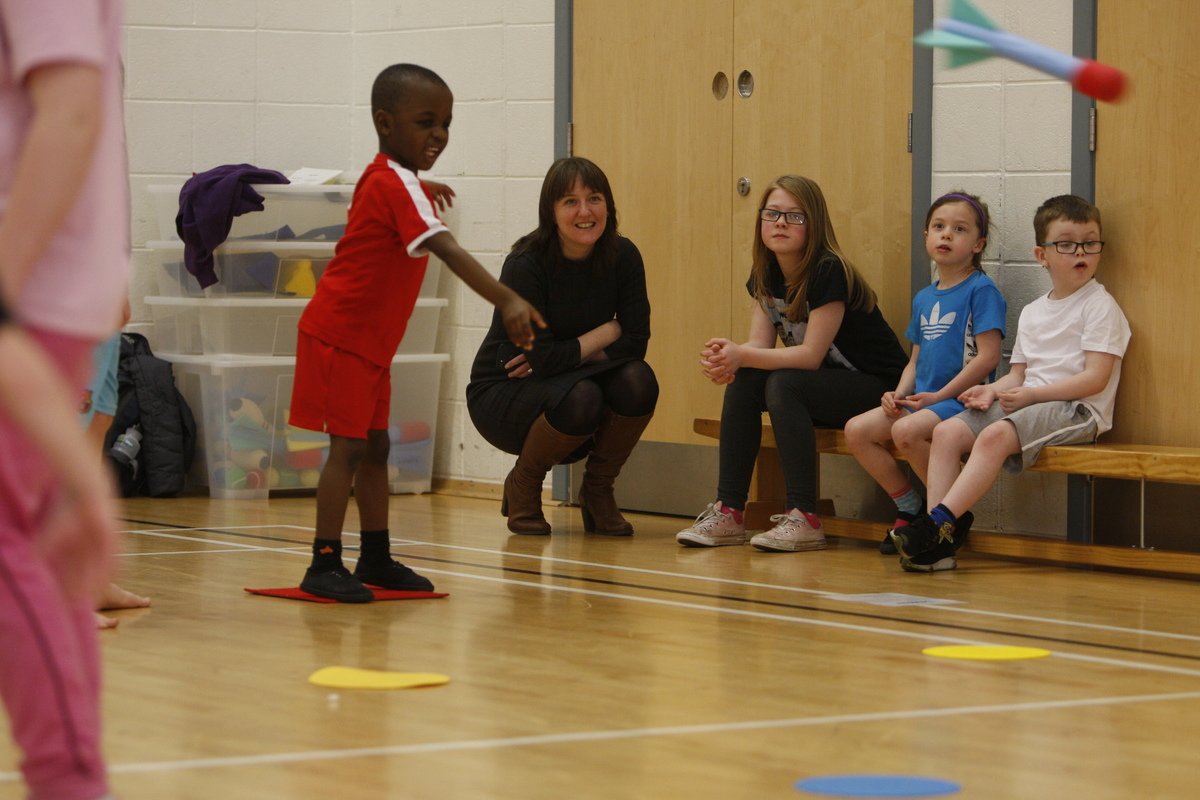
On 28 February we undertook two visits in Edinburgh.Some of us visited Muirhouse to meet with a range of individuals from local organisations and community groups to explore the reasons why they do not engage with sport. Others visited Spartans Community Football Academy in Pilton. Spartans work with the local community and partners to deliver programmes and initiatives that have a lasting positive social impact in North Edinburgh.
Healthcare in prisons
We commenced this inquiry with two informal evidence sessions- one with prison healthcare staff and another with former prisoners. This allowed us to hear first-hand evidence of healthcare provision in prisons.
The informal session with former prisoners was attended by people from all across Scotland.
Meetings

We held 28 meetings. One meeting took place entirely in private; 26 involved items taken in private. The items taken in private were primarily to consider draft reports, approach papers and our work programme.