Local Government and Communities Committee
Stage 1 Report on the Period Products (Free Provision) (Scotland) Bill
Executive Summary
The Period Products (Free Provision) (Scotland) Bill, a Member's Bill from Monica Lennon MSP, will place a duty on Scottish Ministers to ensure that period products are made available free of charge on a universal basis. It will require education providers to make period products available free of charge in on-site toilets and enable Scottish Ministers to place a duty on other specified public service bodies to provide free period products. The scheme must ensure that those using it can choose whether to have products delivered or collected and must make a reasonable choice of different types of period product available.
The Committee commends Ms Lennon for bringing this Bill before the Scottish Parliament which has helped to highlight the issue of lack of access to period products and in making progress in addressing the stigma associated with menstruation. We welcome the significant work that Ms Lennon has undertaken in her research and in collaboration with the Cabinet Secretary which has undoubtedly increased awareness of these issues.
We welcome and note the very positive response to current measures being undertaken by the Scottish Government. We acknowledge that the Scottish Government's policy is in its early stages and have heard from local authorities that evaluation is ongoing and that this will inform the future direction of current measures. We hope that the feedback we are able to provide as a result of our scrutiny will assist with addressing some areas in which improvements may be made. In relation to current measures, witnesses have highlighted the importance of education, partnership working, promotion schemes and sharing best practice across local authority areas so that each scheme can effectively meet its local needs. We have been impressed by much of the work undertaken thus far and that is ongoing by local authorities, third sector and grass roots organisations to continue to promote and implement access to period products.
We note that the majority of the evidence we have received supports the introduction of legislation. While the Committee is unanimous in our support for the intentions of the Bill, a majority of the Committeei are concerned, against a background of limited resources, about the large disparity between the costs presented in the Financial Memorandum and the costs estimated by the Scottish Government to implement a universal scheme. There is no clarity on what the total figure might be, nor how much it may grow year on year, dependent on uptake. The majority of the Committee, therefore, considers that more work to clarify these final costs is needed before legislation should be contemplated.
The majority of the Committeeii are also concerned about legislation that would impose a duty on, as yet unidentified, public bodies which would have a cost but would not compel the Scottish Government to fund it, should it choose not to. The Bill provides that it would be up to Ministers to devise and develop a scheme but this lack of clarity has the consequence that the Scottish Government would have significant work to undertake in order to deliver the Bill's principal aims. This would be a challenge. Furthermore, as a consequence of the lack of support for a voucher scheme and the additional administrative burden and costs associated with postal delivery, the majority of the Committee consider that the Bill may be subject to significant amendment at Stage 2 which, assuming such amendments could be taken, may leave only the principle of universality contained within Section 1 intact. For these reasons, a majority of the Committee, whilst commending the intent behind the Bill, does not support the general principles.
Introduction
Policy objectives of the Bill
The Period Products (Free Provision) (Scotland) Bill was introduced in the Scottish Parliament on 23 April 2019 by Monica Lennon MSP. The accompanying Policy Memorandum explains that the Bill -
ensures that all who menstruate are able to access period products, at no cost, as and when they are required.
In summary, the Bill will:
place a duty on Scottish Ministers to ensure that period products are made available free of charge on a universal basis;
require education providers to make period products available free of charge in on-site toilets; and
enable Scottish Ministers to place a duty on other specified public service bodies to provide free period products.
Section 1 of the Bill gives everyone in Scotland the right to obtain period products free of charge. Section 2 requires Scottish Ministers to establish a "period products scheme" to set out that right and how it may be facilitated. Section 5 places a duty on primary and secondary schools, colleges and universities to make period products free in all appropriate toilets and Section 6 enables Ministers to place a similar duty on other specified public facing bodies and specified persons. Section 4 provides that the scheme must ensure those using it to obtain period products can do so reasonably easily and with reasonable privacy and they can choose whether to have products delivered or collected. It also provides that there is a reasonable choice of different types of period product available. Section 7 obliges Scottish Ministers to publicise the scheme and and how, where and when products can be obtained.
Background and existing provision of free products
During the same period that Monica Lennon was preparing for the introduction of her Bill the Scottish Government announced a number of funding streams aimed at tackling "period poverty".
On 30 May 2018, the Scottish Government announced that £0.5 million would be awarded to the charity FareShare to provide free period products to low income households. FareShare operates by redistributing surplus food to front line charities and community groups.
On August 2018 the Scottish Government pledged a £5.2 million fund to provide students at schools, colleges and universities with period products during the 2018/19 academic year. This funding was increased to £5.5 million to continue the policy for 2019/20. On 17 January 2019, Aileen Campbell, Cabinet Secretary for Communities and Local Government, committed to additional funding of £4 million starting immediately for local authorities to expand work undertaken with FareShare to roll out free provision of period products beyond schools, colleges and universities.
On 4 October 2019, the Scottish Government announced an additional £50,000 funding for free provision of period products for members and supporters of local sports clubs. Up to 500 sports clubs affiliated with sportscotland, the national agency for sports in Scotland, were provided with £100 grants to allow them to provide free period products to their members, participants and visitors. The Scottish Government also confirmed in a Parliamentary Written Question on free provision in NHS Hospitals that-
The Scottish Government is clear that access to free sanitary products for patients in hospitals supports equality, dignity and rights for those who menstruate. Executive Nurse directors are therefore expected to ensure appropriate stocks of sanitary products are held either on wards or close by and that are made available to patients when required. ii
Current legislation
There is currently no legislation in Scotland which makes provision for free period products. The only legislation in Scotland dealing explicitly with the provision of period products is the Prisons and Young Offenders Institutions (Scotland) Rules 2011 Rule 34(2) which provides that suitable towels and toiletries necessary to a prisoner's health and hygiene are made available which for female prisoners includes sanitary protection. Legislation also exists in relation to the disposal of period products in schoolsii and in work places.ii
International provision
Scotland is the first country in the world to provide free period products in educational institutions under a government scheme. Internationally, a number of other countries including Kenya, Canada, Australia and India have made provision to lower or remove the cost of period products. In the majority of cases, the focus has been on taxation with other countries lowering or abolishing VAT on products, a measure which is unavailable to Scotland as a result of EU law on VAT.
In the United States, a few states have passed legislation obligating schools to provide period products. They have been provided free in federal prisons since 2018. A number of other states have also removed sales tax from period products or allocated funds to provide free products in low income areas.
Further information on international provision can be found in the Scottish Parliament Information Service (SPICe) briefing on the Bill.
Consultation preceding consideration of the Bill
Following a preliminary consultation,i the draft proposal for a Member's Bill, Sanitary Products (Free Provision) Scotland Bill was lodged by Monica Lennon on 11 August 2017. An additional consultation exercise was undertaken between 12 August 2017 and 8 December 2017 with 96% of respondents supporting the general principles of the proposal. The final proposal gained support from 51 MSPs across all political parties. A summary of consultation responses, produced by the Parliament's Non-Government Bills Unit (NGBU), was published on 7 March 2018.i
Committee scrutiny of the Period Products (Free Provision) (Scotland) Bill
As lead Committee for the Bill, the Local Government and Communities Committee issued a call for written evidence on the Bill on 16 September 2019. We received a total of 50 written submissions comprising 12 submissions from third sector organisations, 10 submissions from local authorities (including one councillor and COSLA), 9 submissions from individuals, 8 submissions from trade unions and other representative bodies, 3 submissions from other public bodies including the Scottish Government, 3 submissions from educational institutions, 3 anonymous submissions and 2 submissions from community planning partnerships.
The Committee took oral evidence on the Bill during three evidence sessions. On 18 December 2019, we heard from Plan International UK, Engender, The Scottish Youth Parliament, Unite the Union, On the Ball and then from Universities Scotland, COSLA, Hey Girls, The Orkney Partnership and North Ayrshire Council. On 8 January 2020, we heard from Aileen Campbell MSP, Cabinet Secretary for Communities and Local Government and on 15 January 2020, we heard from Monica Lennon MSP.
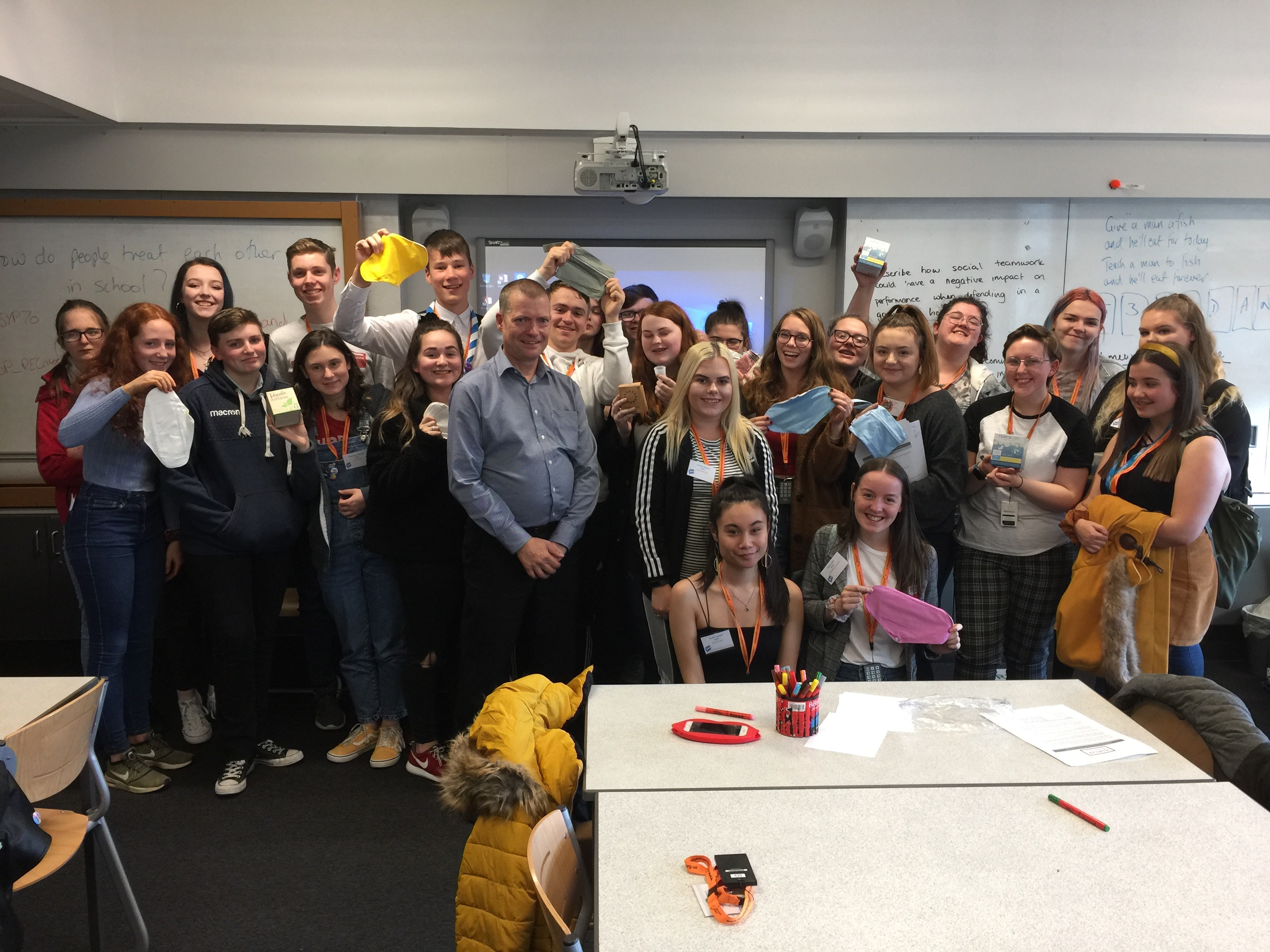
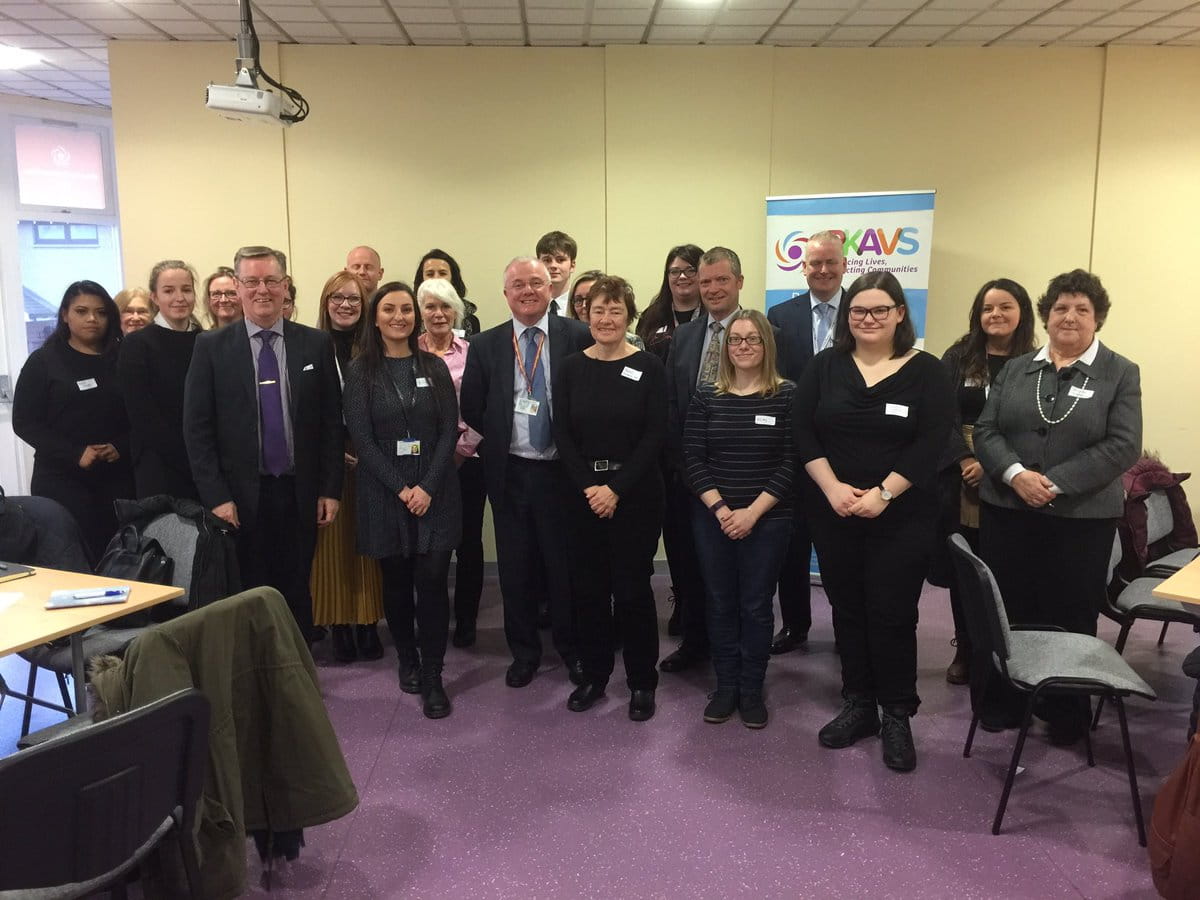
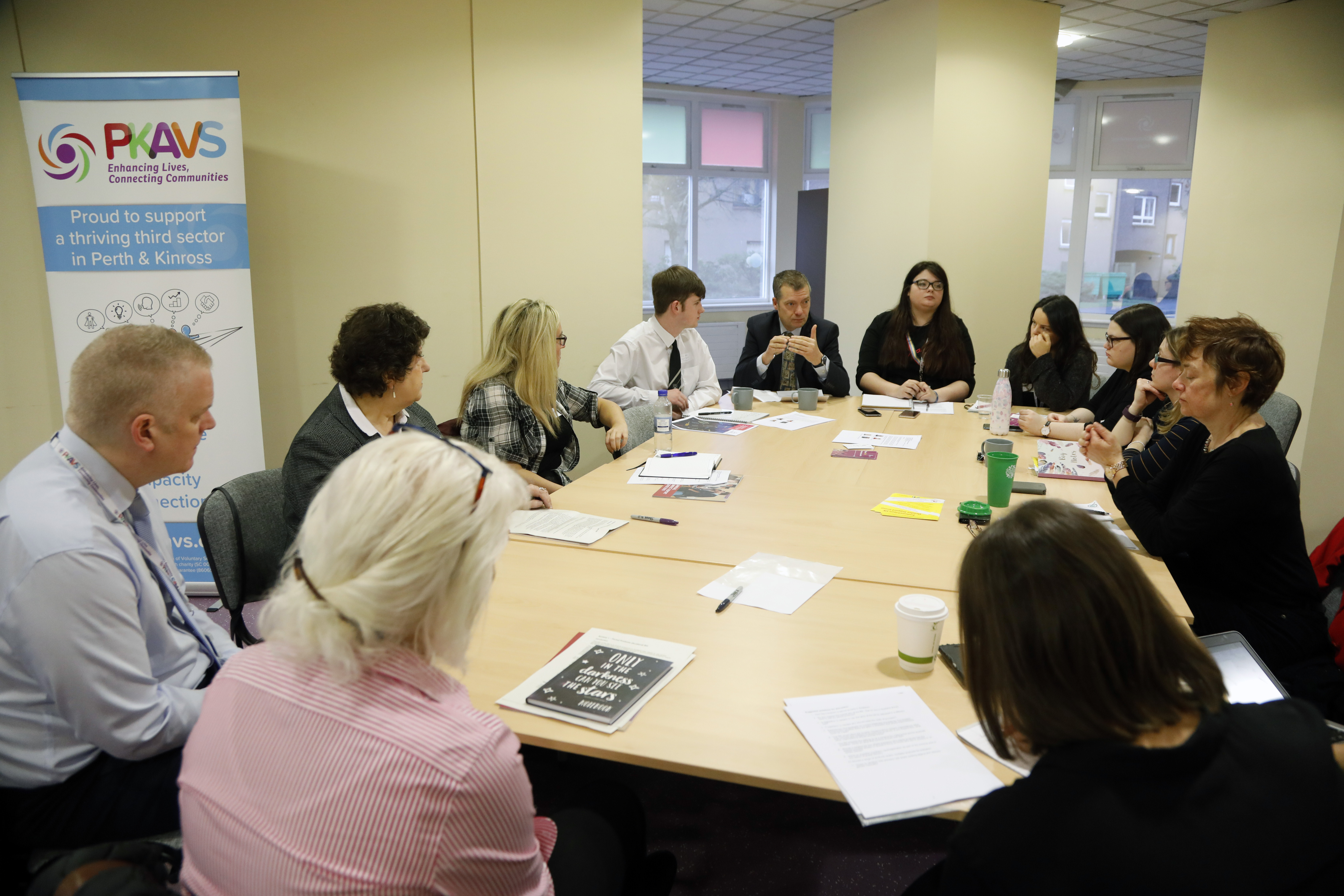
The Committee also undertook two outreach visits, the first attending the Scottish Youth Parliament's (SYP) consultation workshop on period poverty held at its 7th sitting in Dunfermline and the second hosted by Perth and Kinross Association of Voluntary Services (PKAVS) in Perth where local individuals and organisations shared their experiences of period poverty.
More detailed analysis of the oral and written evidence and information gathered from the outreach visits is set out below.
Scottish Youth Parliament workshop
Scottish Parliament
Evidence on the Period Products bill
The extent of "period poverty" in Scotland
The term "period poverty" is not referred to in the Bill but used within the policy memorandum, more generally by the press and in a number of written submissions answering the call for views. The term is understood broadly to be an inability to afford period products. The policy memorandum suggests that period poverty can have a detrimental effect on the health and well being of women, girls and trans people and has an impact on educational and vocational attendance, participation in leisure and sporting activities, as well as raising general hygiene concerns resulting from the use of unsuitable substitutes like toilet paper or socks. It also places women at the increased risk of toxic shock syndrome from using products for too long.i
Our scrutiny, however, uncovered that period poverty not only encompasses those who are unable to afford to buy period products but those for whom access to products is difficult for a range of other reasons which may or may not be financial ones. These include stigma, health conditions, young people who are caught short or feel unable to seek help, disability, trans and non-binary people and women and girls in coercive relationships. Those citing financial concerns have raised benefit sanctions, universal credit, low pay, lack of financial independence, increasing living costs, insecure work, zero hours contracts and the cost of the products themselves as barriers to access.
The Committee explored the extent to which period poverty is an issue in Scotland. Plan International UK referred to their survey undertaken in 2017 of 1000 young women from which they concluded that one in 10 had struggled to afford period products. They said anecdotal evidence also suggested young men were accessing the current provision in schools to take home to their families. Engender said they had a "wealth of knowledge" about women's poverty generally and that "20% of women experience poverty". They said they "know that one parent in 10 has sent a child to school knowing that they do not have with them the period products that they need".
All written submissions recognised that period poverty is an issue in Scotland. Some of these noted that the issue does not affect all areas and social groups and that there may be hidden "pockets" of poverty or lack of access. Girlguiding Scotland referred to its "Girls in Scotland 2018" survey that 13% of girls aged 13-25 knew another girl their age who had experienced period poverty. Almost a quarter of their survey respondents highlighted that, regardless of financial or other barriers, they had been "caught out" "every or most months" and for 99% of respondents this had happened occasionally. A 2018 survey conducted by Young Scot found that 26% of those in education and 24% of those not had struggled to access period products over the previous year.
The Committee accepts that, for a minority, affording or accessing period products is a problem in Scotland which needs to be addressed although accurately measuring the scale of the problem is difficult. We welcome the current Scottish Government initiatives which are being positively received and note that measures are being evaluated. We hope that further work will be undertaken in areas which have been highlighted as requiring improvement such as unmet need and around education to tackle stigma.
The Bill - general principles
In a letter to the Committee, dated 11 December 2019, Ms Lennon stated that "The principle behind the Bill is that access to free period products to all who need them should be a right". She said "The Bill sets a minimum framework for what the universal scheme must contain and purposely gives the Scottish Ministers as much freedom as possible in terms of what the scheme will look like and what arrangements would be set up for the scheme delivery".
In oral evidence, Ms Lennon was clear that she considered universality to be at the core of the bill. This is set out in Section 1(1). She said the Scottish Government's targeted approach which prioritises those on low incomes "risks missing out some of the people who struggle to access products but do not fall easily into the low income bracket". Within this group, she listed those with health conditions, women with disabilities, women who have experienced miscarriage and baby loss, children and young people who do not have access to their own money, trans men and non-binary people, women and girls affected by gender based violence and people in insecure work and on zero hours contracts. In Ms Lennon's view, those who were able to afford products were likely to continue to buy them. Ms Lennon referred to support amongst grass roots campaigners as well as to an open letter signed by 30 leading organisations supporting the general principles of the Bill. She said
A universal approach is the right one because it means that no one gets left behind. I am confident that the system would not be abused and that people would use it on the basis of need. The scheme can be devised in a way that facilitates that."
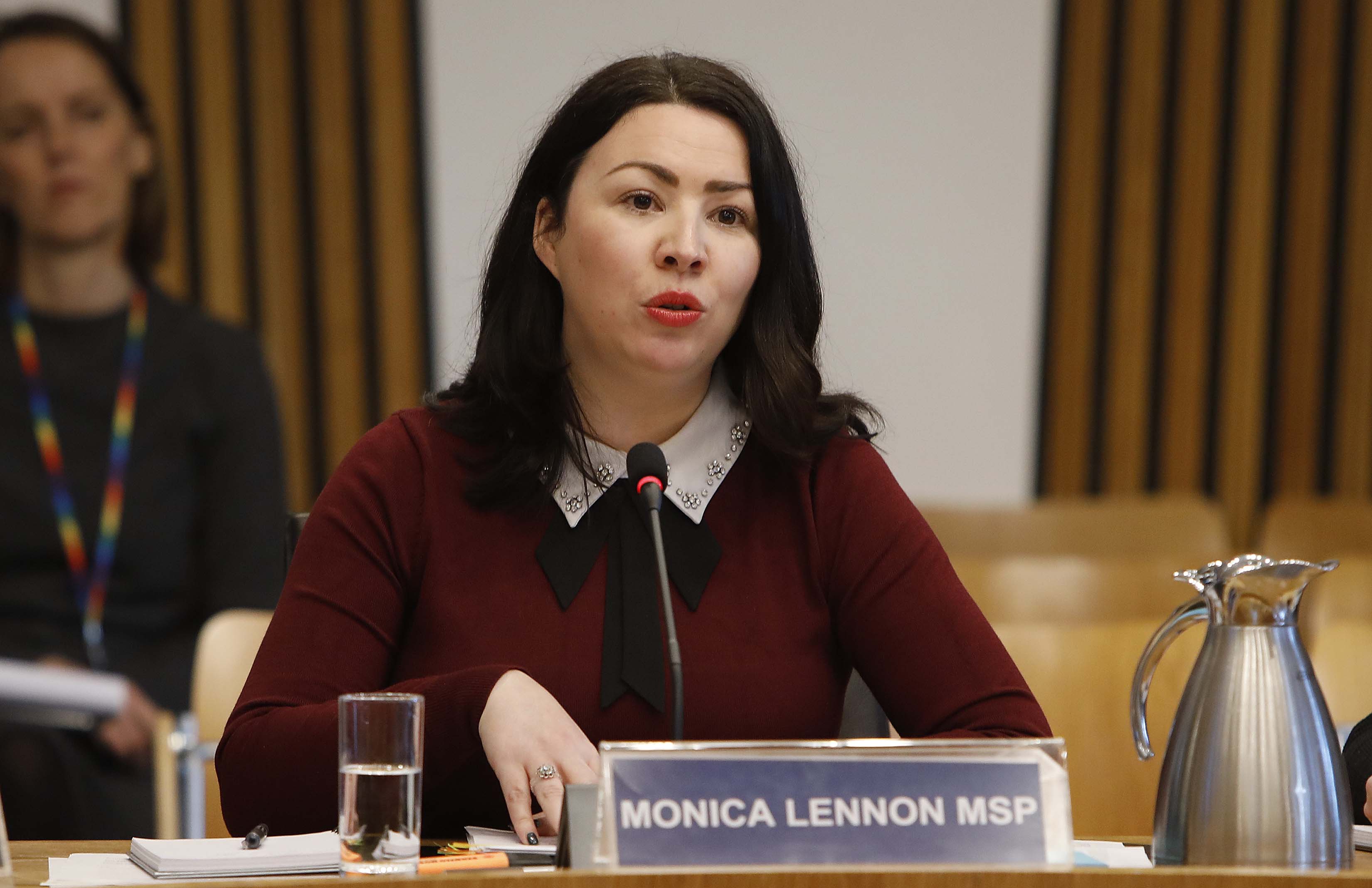
Evidence Session with Monica Lennon
Scottish Parliament
Ms Lennon described her Bill as a framework bill because it "is right to give ministers the freedom to devise a scheme". She spoke of changing the culture with an aspiration of seeing more period friendly workplaces so day to day access to products would improve and that there was also a "real opportunity" in driving change in relation to sustainability and access to different types of reusable products. Ms Lennon told the Committee that she was seeking support for the general principles of the Bill and that it could be amended at Stage 2 if there were ways in which it could be improved. Those amendments could relate to a number of provisions within the Bill including mechanisms of delivery such as the voucher scheme.
The "period products scheme"
Section 2 of the Bill obligates Ministers to set up a "period products scheme" and gives flexibility as to how this could be implemented. The Committee were, accordingly, keen to hear views on what such a scheme might look like should the Bill proceed. They explored with witnesses whether it was important to have a universal scheme which Ms Lennon is seeking to achieve or, alternatively, whether the focus should be on those in relative poverty with provision made in certain specified places.
Unite said that universal access would give a dignified choice to those caught short or who need to access products because they are struggling. Their experience was that most women still go out and buy their own products. SYP also supported universal access and availability in men's and gender neutral toilets to promote inclusivity for transgender and non-binary people. Engender suggested that men may choose to access products on behalf of somebody else. The Scottish Funding Council in written evidence said "it is important that there is clarity and consistency of messaging around whether access to free sanitary products is for those experiencing period poverty or if it is universal access"
Unite, Engender, Plan International UK and SYP agreed that a universal scheme that provides for everyone by right was the best way to meet any gaps in provision. Unite said
"We need one scheme that works that takes account of the various regional and geographical issues across Scotland and that runs without a hugely administrative or overly complex process".
On the Ball said unmet need was currently being addressed by community groups and that providing products in other public places would alleviate financial pressures on smaller groups.
The Committee notes that universality is at the core of the Bill and it seeks to create a universal right of access to products. We heard evidence from Monica Lennon that this would address gender inequality, empower women and meet gaps in provision of current measures undertaken by the Scottish Government. The Committee's scrutiny has been focussed on whether this universal right of access is preferable to a more targeted approach. We believe that the majority of people who are able to afford products will continue to buy their own.
The majority of the Committeeviii has voiced concerns about creating a universal right and whether this is the correct approach in delivering the objectives that Ms Lennon wishes to achieve. We recognise that the Bill as drafted would give Ministers a great deal of flexibility in what scheme they chose to implement. The majority of the Committee, however, are concerned that this flexibility creates a lack of clarity on what kind of scheme is envisaged and that significant work would be required by Ministers to research and implement such a scheme. The majority of the Committee are not convinced by the evidence presented that a universal rather than a targeted approach is preferable. While we recognise and welcome that Monica Lennon has promoted a collaborative and flexible approach to amending the Bill, the majority of the Committee is also concerned that significant amendment of the Bill at Stage 2 may threaten its integrity leaving only the principle of "universality" intact.
C-card/voucher scheme
Section 3 of the Bill provides a mechanism for Ministers to introduce a voucher or registration scheme in order to access products and allows flexibility in the operation of any scheme. The policy memorandum suggests that one model the Scottish Government could consider would be one similar to the "C-Card" scheme which operates as a confidential service funded and administered by Health Boards for the distribution of free condoms in areas across Scotland. The scheme requires minimal personal details to be provided such as a name and date of birth before a card is issued which allows a person to obtain free condoms. The Committee asked witnesses about their views on the introduction of a similar voucher or registration scheme.
SYP told the Committee that they held a recent workshop attended by 24 MSYPs from across Scotland. Participants were overwhelmingly opposed to a voucher scheme and said it would create additional barriers and make it more difficult for young people to access products. Plan International said that the stigma that exists around both menstruation and poverty can prevent those who are in need from accessing products and that it was important that "people should not be further stigmatised by their own need". Unite said
"In my experience those who most need the free products are the ones who are almost guaranteed not to ask for them. They are so embarrassed and depressed about their situation that they are the least likely to register. The Bill is about changing society and culture and expectations. A registration scheme risks those who most need the products missing out, because they simply do not register".
Engender considered registration ran the risk of excluding refugees, women for whom English is not their first language, women who are homeless and women who experience control within their relationships. "As far as possible we should avoid putting barriers in place".
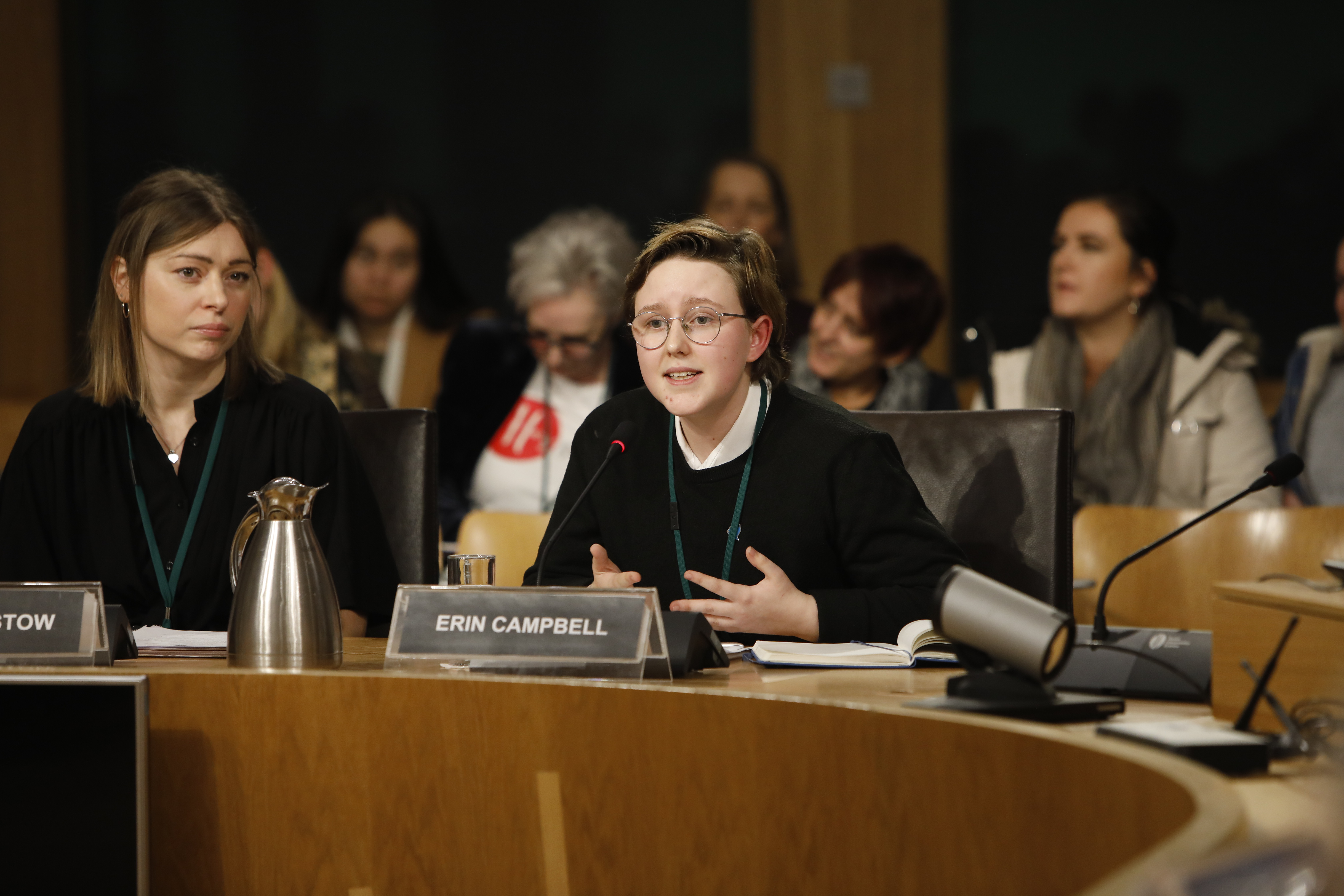
Evidence session 18 December 2019
Scottish Parliament
COSLA did not support the voucher scheme and considered it would create administrative costs but also "would not be the best way of delivering what we want the Bill to deliver". Participants from Perth did not support a voucher scheme and saw this as stigmatising for those most in need.
In written evidence, there was some support for a voucher scheme but the majority of submissions were not supportive. The Orkney Partnership said in their written submission that "we believe that a card scheme does not adhere to the guiding principle of protecting people's dignity, avoiding anxiety, embarrassment and stigma".
The Cabinet Secretary considered the C-card model would create a barrier and would be opt in and as a result would not be universal. viii She did not agree that a universal scheme could be delivered through an opt in scheme. Ms Lennon said that the Bill does not require Ministers to establish the universal scheme in such a way that a voucher would be required. Section 3 provides, however, that if a voucher scheme was the preferred mode of delivery then it could not require more than a person's name and first half of their postcode to establish their entitlement under the scheme.
The Committee notes that no witnesses supported the introduction of a C-Card, voucher or registration scheme, which was viewed as creating both stigma and an additional barrier to access, although there was some support in written evidence. Should the Bill proceed, it is the Committee's view that a scheme should accordingly not contain this as a method of accessing products.
Delivery by post
Section 4 of the Bill concentrates on the use and operation of the scheme and states that it "must be such that persons using it to obtain period products can do so reasonably easily and with reasonable privacy" and, in particular, "must enable those persons to choose (as an alternative to collection in person) to have them delivered or have them collected". The Committee sought to explore witnesses' views on postal delivery and, particularly, how this may be balanced with the lack of support we had heard for a registration or voucher scheme, insofar as postal provision would, invariably, require some form of registration or sharing of information. We also sought views on their concerns that the administration involved in providing a postal service would increase overall costs of any scheme.
Engender supported a delivery model arguing that there may be a number of reasons that those who menstruate may be prevented from collecting products in person. Unite highlighted the needs of rural communities which could create a barrier to access. SYP also favoured a delivery scheme in order to make the service as universal and inclusive as possible.
COSLA recognised that there were issues with access to products within rural areas but expressed reservations about whether a postal service was possible. They said "Many local authorities do not post anything at the moment, so doing so would require the setting up of a whole new administration system from scratch which would involve huge costs". Instead, their suggestion to widen access in rural areas and islands was for councils to work locally through pharmacies, pubs or other places to provide the service.
The Cabinet Secretary also expressed concerns about postage costs which she said would be a recurring cost and likely to increase over time as free provision became embedded. She highlighted that a business impact assessment would be needed to establish the effect on retailers.
The Committee heard arguments both for and against postal delivery of products. Arguments for promoted inclusion for hard to reach communities who may find access problematic such as rural communities and disabled individuals. Those against highlighted the additional bureaucracy and associated costs for running such a model, together with the requirement for some form of registration which was overwhelmingly opposed. On balance, the Committee considers that a postal service would create unnecessary and expensive administration and that there are alternative solutions available to meet need within hard to reach communities including working in partnership with local services.
Specified public service bodies to supply period products
In addition to the obligation set out in Section 5 of the Bill that education providers must provide free products, Section 6 provides that specified public service bodies are to "make period products available free of charge for persons in its premises who need to use these products". The choice of which public bodies would be obligated, however, is for Ministers to decide. Section 8 of the Bill provides that "The Scottish Ministers may make such payment as they think appropriate" to those bodies. Written submissions suggested a range of public service bodies where provision could best be made including public toilets, airports, train and bus stations, hospitals and GP surgeries, libraries and community centres as well as suggesting a number of public facing organisations, who would not be obligated to make provision in terms of the Bill but may choose to do so, including cinemas, restaurants, bars, pubs, shopping centres, supermarkets and workplaces.
South Lanarkshire College said in their submission "we provide toilet tissue and hand towels so why wouldn't we provide sanitary products". The Scottish Council for Voluntary Organisations suggested that many workplaces already outline their commitments to the health and well being of their employees through the provision of schemes such as cycle to work and suggested that the provision of free period products should be seen alongside these initiatives.
When asked if organisations other than schools and colleges should provide free period products, there was overwhelming support from participants at the SYP workshop who said the Scottish Government should be responsible for meeting costs. They also considered that reusable products such as washable sanitary pads, period pants, menstrual cups and sustainable products such as plastic free disposables should be available in addition to, rather than as an alternative to, existing provision.
The Cabinet Secretary was asked if she knew of any other Bill where Ministers set regulations that meant that public sector bodies including councils and schools would have to operate a scheme which would have a cost to them to be met by the Scottish Government. Ms Campbell confirmed she did not and that the "question of proportionality needs to be considered". She said "If we increase the cost and do not deliver the outcomes that we currently deliver, is legislation the right approach? At this point in time, I do not think so".
The Committee also explored with Ms Lennon which public facing bodies she envisaged would provide products under Section 6. Ms Lennon told the Committee that Ministers were already working with some public bodies and gave examples of Scottish Natural Heritage and the Scottish Environment Protection Agency. She said that her research had found that no NHS health board had a policy and there was a huge variation in access. She said "If something is not in formal policy or in legislation, it drifts. The Bill is designed to be future proofed and give maximum flexibility".
The Committee notes that Section 6 imposes a duty on unspecified public sector bodies to provide products. We note the Scottish Government would decide which specific public bodies would be included. The majority of the Committee,v however, expresses concerns about passing legislation that would impose a duty on additional, as yet unidentified, public bodies to provide products which come at a cost and that there is a clear expectation that those costs would be met by the Scottish Government.
Effectiveness of current Scottish Government measures
The Committee were interested in hearing witnesses' experiences of the effectiveness of non-statutory measures currently being undertaken by the Scottish Government. Current measures have a targeted approach with the aim of tackling period poverty and providing wider access to products. Witnesses were extremely positive about current measures and it was clear that these have been well received and are having a positive impact. The Committee also heard of ways in which witnesses considered measures are in some respects falling short and could be improved.
Delivery models
COSLA, the umbrella body representing all 32 local authorities and who have been supporting them to deliver Scottish Government measures, told the Committee that each authority was taking a different approach dependent on their particular local needs, and that in some areas measures have been very effective and made a huge difference. They stressed the importance of talking about the issues and seeing how current provision of period products could be rolled out from educational establishments to include other organisations, and perhaps workplaces, to meet wider need. They spoke about the work currently being undertaken to analyse the data to evaluate effectiveness and how to move forward. They told the Committee that initially their work was to ensure women and girls did not miss out on educational opportunities, but they had extended provision so products were now available in their own buildings.
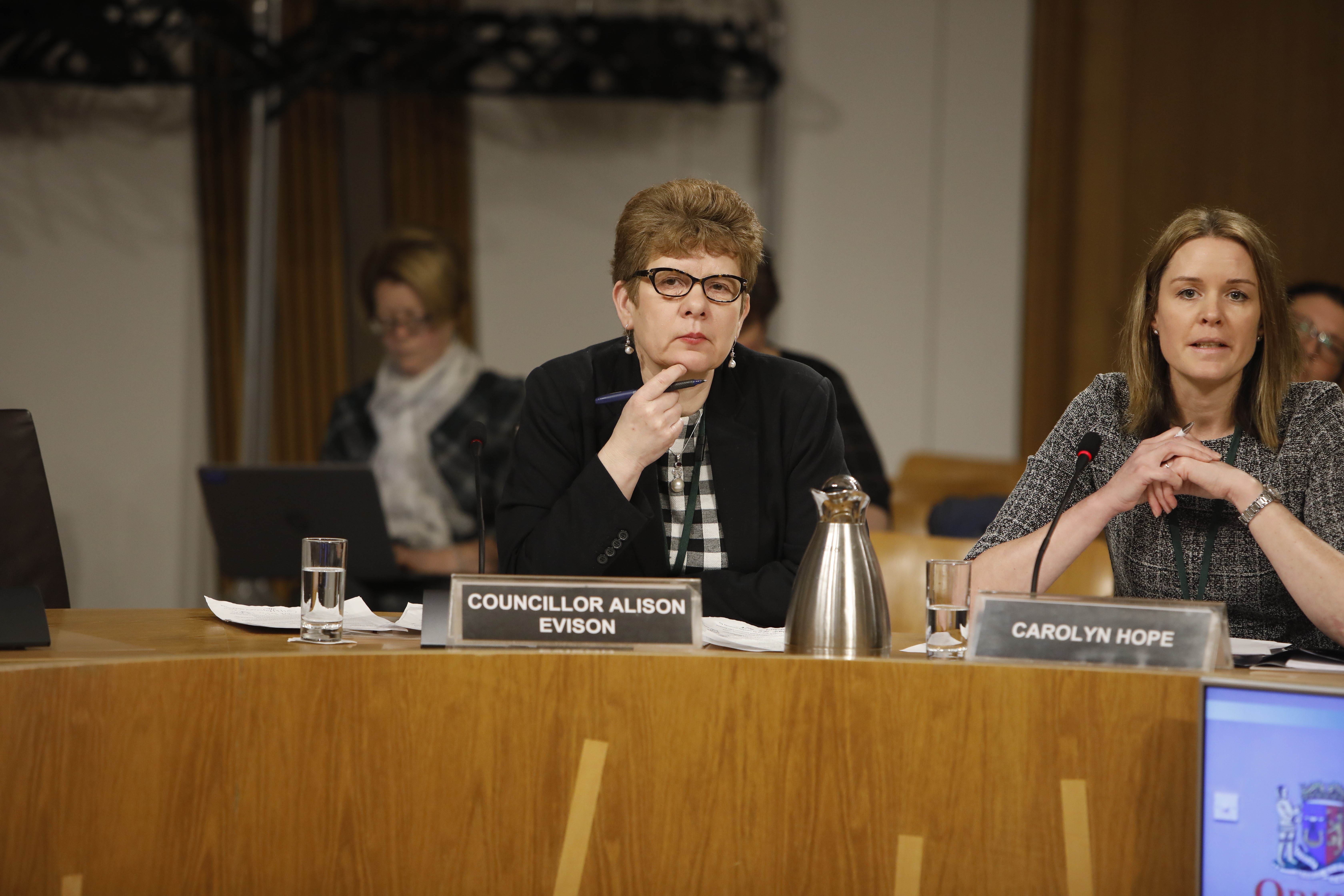
Evidence session 18 December 2019
Scottish Parliament
North Ayrshire Council told the Committee that, in recognition of need in their area, they started delivery in August 2017 ahead of Scottish Government funding. Government funding enabled them to expand provision and this was welcomed. They had trialled a variety of distribution methods in their schools including free vending machines in the toilets. Initially, these had been placed in the communal area but it became clear that students were embarrassed to use them so they were moved inside the cubicles. They also used baskets with the aim of normalising visibility of products and reducing stigma. They said delivery to the wider community had been well received by the 29 community centres and 12 libraries they were now supplying and highlighted feedback from school pupils which had been "excellent" and was having a huge impact on pupils attending school. They advocated further work with education partners about having open conversations with boys and girls at school.
Universities Scotland were positive about the scheme and told the Committee that during the first six months the 19 Higher Education Institutes had purchased 2.3 million products of which 64% had been distributed across campuses and 85% of those taken by students. The Orkney partnership said that products were now available across the islands. Hey Girls who supply 26 of 32 local authorities were very positive about measures but spoke about some inconsistency in delivery and promotion across schools. They gave a best practice example of Pedro the period panda who wanders around distributing menstrual products in one local authority school to promote access and reduce stigma but also told the Committee that, in other schools, students still have to ask a teacher to access a locked cupboard for products. This, they said, had an impact on access.
The Committee explored differences in uptake between rural and urban areas. North Lanarkshire Council told the Committee that there was a wide range of uptake within their schools but the Orkney Partnership said that the situation seemed to be equal across their communities stressing, however, that they are still in the process of evaluating the service.
Participants at the SYP workshop welcomed current measures saying it meant they had one less thing to worry about. They had concerns that products in sports clubs were often of poor quality and hard to find so more promotion on where products are available was needed. On the Ball's view was the aim was to ensure people could access products and a scheme should not be overcomplicated.
Written submissions were positive about current measures. Suggested improvements included providing products in men's toilets and holiday packs for non-term time, promoting reusable products, and using promotion to address stigma.
The Committee commends the Scottish Government's targeted roll out of free period products. We note the significant work undertaken by COSLA, Universities Scotland and in the wider community to make a success of Scottish Government measures and welcome the positive impact that this provision is clearly making. We note also the importance of localism and that each authority may take a different approach depending on their local needs. Evidence shows that delivery models are not consistent across authorities and that this is having impact on access for some. Sharing models of best practice could assist with this.
The Committee welcomes the evidence from North Ayrshire Council of the efficacy of the different distribution models trialled and that providing products visibly in baskets in cubicles is preferable to a vending machine or access via a cupboard and that these delivery models normalise menstruation and encourage access for all.
The Committee accepts that measures are in their early stages and full evaluation and analysis is, in many cases, still to be done. Our scrutiny, however, highlighted the importance of promoting current schemes so that products can be easily located, having open conversations with girls and boys to raise awareness and of ensuring products are of good enough quality. We also note concerns raised relating to a lack of availability of products during holidays and views that products should be placed in male as well as female toilets. We invite the Scottish Government to respond to these points.
Addressing stigma
COSLA told the Committee that stigma remains a huge issue and that overcoming it is part of the solution. They referred to figures which showed that 41.8 per cent of young people do not feel comfortable buying sanitary products.
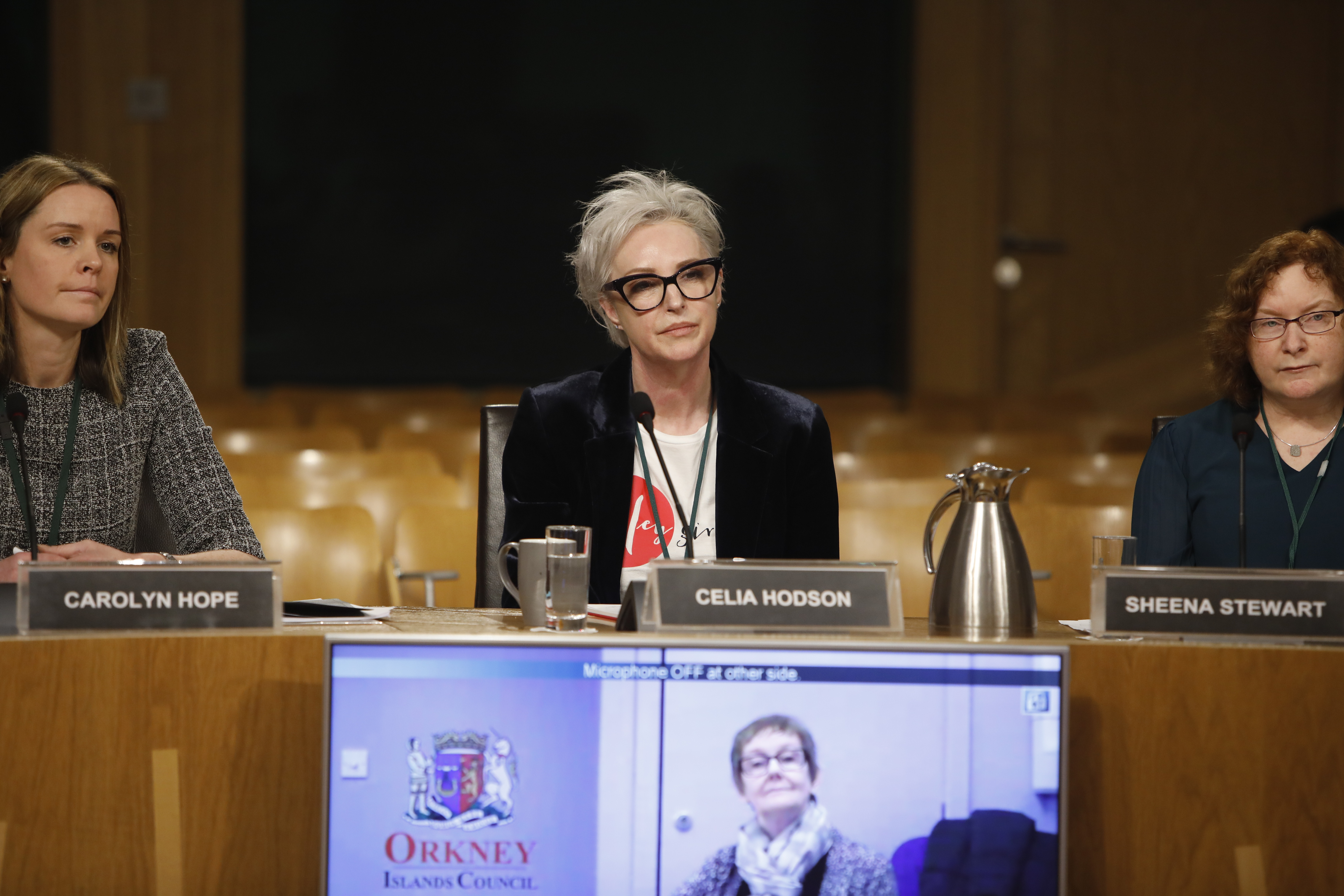
Hey Girls highlighted the need for education to tackle the stigma around menstruation to enable women to talk about periods and access products without shame. They stressed the importance of campaigns that raise awareness and cited their Pads4Dads campaign with actor Michael Sheen. They said "To get him talking about periods during an England v Scotland rugby match broke down some pretty big taboos right there".
Evidence session 18 December 2019
Scottish Parliament
The SYP also highlighted the existence of stigma and embarrassment around periods.
"Having free sanitary products in public buildings, particularly in schools, would normalise menstruation. If it was normal to be able to nip out and get period products a lot of people would be much less embarrassed by it".
Plan International referred to their survey which found that one in five girls were being teased or bullied at school about their period. They considered that universal access and exposure to products would go a long way to solving some of the bigger issues. The Orkney Partnership said the Scottish Government's current work was helping to raise awareness and reduce stigma and Engender considered the Bill as an important first stage in addressing stigma and normalising periods.
Unite said that as a union they dealt with women who are working in heavily male dominated industries such as construction and the issue was much more about employers providing dignity for female workers and raising awareness in workplaces where women are not traditionally employed.
The period poverty tag resonates with people and it starts a dialogue about the much wider issue of poverty. That is really helpful but the union is focused on dignity. We want to improve access and reduce stigma. For us, it is a dual approach.
Participants in our Perth visit also spoke about stigma and the need for consistent and earlier education in schools, particularly in primary schools, as some girls start their periods very young. In one school, products were only supplied to S5 and S6 with others having to ask for them from teachers. Students did not favour this approach. There was also a lack of information about where products could be accessed and it was not spoken about in personal and social education (PSE) class or promoted through posters. The Committee heard views that sex education in schools did not include specific teaching on periods and that increasing awareness for both girls and boys would go some way to addressing the stigma.
Evidence Session 18 December 2019
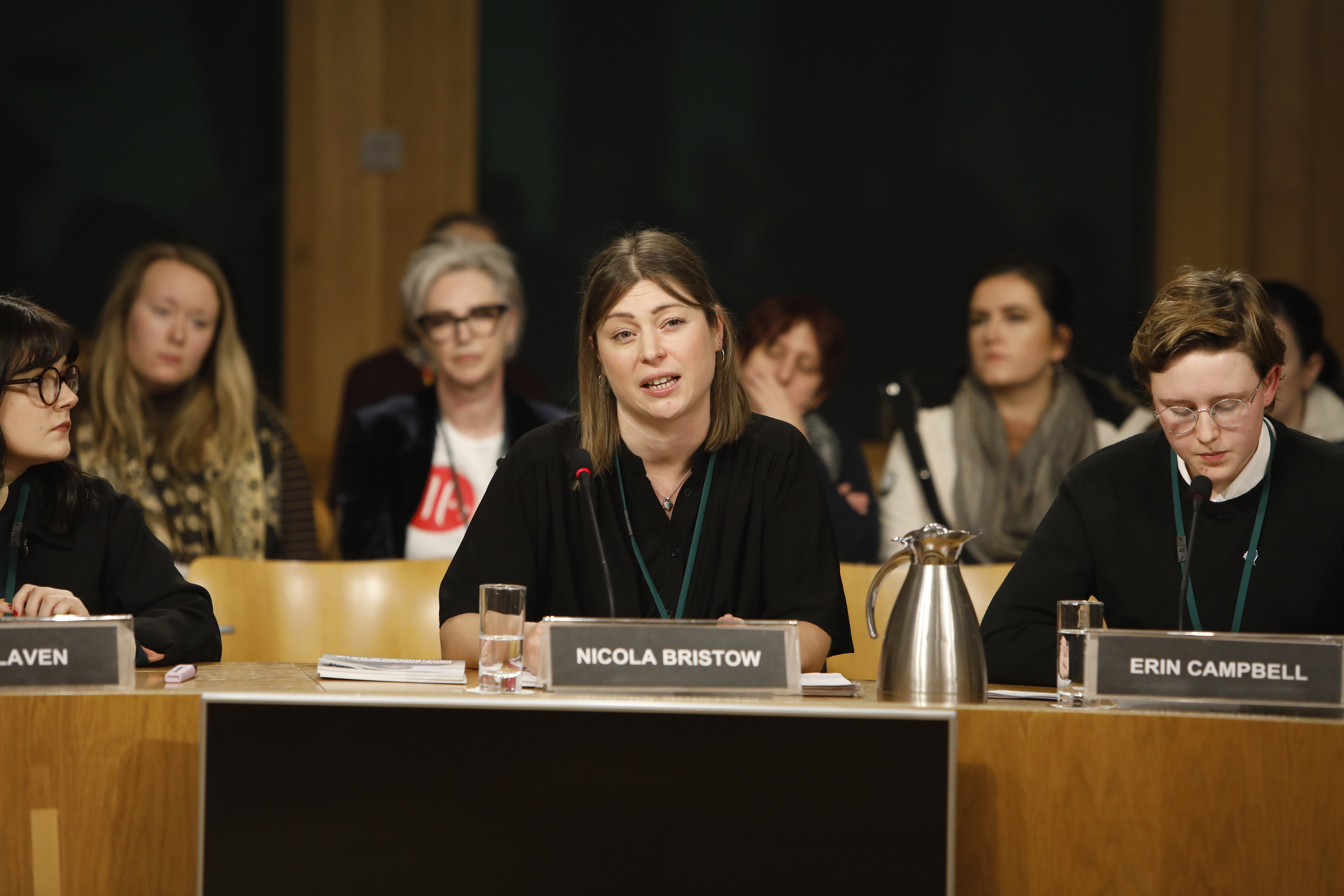
Both PCS and Unite urged a move away from the term "period poverty" which they saw as stigmatising in itself and recommended the use of "period dignity" instead. In their written evidence, they highlighted campaigns to promote this language. A number of other written and oral submissions also used and supported this terminology.
The Committee recognises the significant stigma which is still associated with menstruation, agrees this needs to be addressed and that education, alongside access and exposure to products in everyday settings, can go some way to achieving this. We support the promotion of the phrase "period dignity" in not only addressing the issue of being unable to afford or access products, but also in promoting gender equality.
Unmet need
The Committee explored areas of unmet need (i.e. particular demographics with particular access problems) and how these could effectively be addressed. North Ayrshire Council highlighted disabled people and those with care responsibilities and On the Ball said that the focus on higher education meant that those not in higher education were missing out. SYP highlighted the need to provide products over holiday breaks. Engender told the Committee that food banks were increasingly supplying products but the referral mechanism meant that groups of vulnerable women such as refugees were being missed referring to the Bloody Good Period Project iv which found that 75% of the refugee women to whom the organisation had spoken had been unable to access products. During our visit to Perth, a representative from Endometriosis Dundee told us that women with Endometriosis and similar conditions such as polycystic ovary syndrome often had heavy and irregular periods and that the cost to them for products could be up to £50 a month. We learned that these women could not be supported by their GPs in meeting those costs as conditions like endometriosis are not covered by prescription.
Outreach visit to Perth
Scottish Parliament
Plan International referred to their "Let's Talk Period" project which showed that although the scheme in education settings was successful, some of the areas of biggest need were in places such as mother and baby units and sheltered accommodation where there were drop in sessions to inform people about products.
"It was found that before sessions there was just a box in the cupboard and no one had any education or support so no one was using the products. However, when people were given the skills and knowledge to use menstrual cups, for example, they did so. There is now a whole group of young mums who only use menstrual cups as a result of those sessions and support each other to do so. There is a bigger issue there relating to long term savings from using such products rather than disposables."
COSLA highlighted that access for those in rural communities, those suffering financial and domestic abuse, and those for whom there is cultural stigma is problematic. They considered locally designed services by people who understand the needs of the local area to be key in improving access. Partnership with local pharmacies was also suggested. Universities Scotland echoed this and pointed out that students too are not a homogeneous group and comprise distance learners and those on placement for extended periods so universities have been developing a flexible approach.
Outreach visit to Perth
The Orkney Partnership highlighted the importance of third sector and community partnerships in addressing issues with access and said that by working in this way they have reached those experiencing mental health problems, poverty and domestic abuse. They also placed products in men's toilets. Hey Girls referred to their "Hey boys" and "pads4dads" initiatives to normalise the process for men of shopping for their partners or daughters and told the Committee that, in partnership with the Scottish Government and COSLA, they are developing an app which will show where products can be found.
The Committee notes that there is unmet need and low take up of products in certain areas and within certain demographics and that this is due to a wide range of contributing factors. Evidence suggests that more work is required as to how this need should best be addressed. Particularly, we heard evidence that promotion schemes, partnership working, third sector and community groups are key to successfully reaching those in need and ensuring access to products.
We heard that disabled people, those not currently in education or work, individuals living in rural areas, homeless people, refugees, trans and non-binary individuals and those suffering from mental health issues or in coercive relationships may be most at risk of missing out. The Committee recommends that women who have been diagnosed as suffering from heavy periods (menorrhagia) which can be caused by underlying conditions such as endometriosis and polycystic ovary syndrome (PCOS), among other things, should be entitled to free period products on prescription.
Costs
Costs of current measures and adequacy of funding
The Committee were keen to explore whether present measures provided by the Scottish Government are adequately funded.
Unite estimated the average cost for good quality products to be between £10 and £20 for the monthly shop and commented that this was a lot of money for unwaged or those on low incomes. COSLA told the Committee that their cost per unit for current measures was 17.6p but this figure was based on evaluation after the first six months and "there are ways to bring the figure down over time so they would not necessarily be that high in future as the scheme develops and as we learn we will change what we do". They said that their second stage of analysis was about to start. Universities Scotland stated their average cost per unit after 12 months as 19p but for the provision to be rolled out to every toilet would see that cost increase. They said they would have a better sense of the adequacy of funding and level of funding required to sustain the system when they undertake their evaluation at the end of the two year period.
North Ayrshire Council told the Committee that they spent approximately £55,000 over the past year to deliver the service across nine secondary schools. This was based on an average uptake of 45% of pupils but also comprised initial set up costs for renting vending machines which they were now moving away from. They saw huge fluctuations in uptake across schools and considered more evaluation was needed of why that was the case. They planned to work with education and conduct some working groups to share best practice. In the second year, they said they saw costs reduce and believed they would reduce further over time as result of promotion of reusable products. They told the Committee it would be difficult to estimate at this stage what future costs will be as they may increase or change provision and are continually adapting it. They were confident, however, that costs would reduce.
Hey Girls advocated not taking a vending machine approach which put people off due to the "stigma and the noise" and is expensive. Rejecting the vending machine approach they said would enable organisations to make a wider range of products available and have the result of increasing usage and reducing costs. They told the Committee that they won the Scottish Excel washroom solutions contract which was won on price and then on environmental impact and service. They stated their unit price is 7.5p per pad and between 9p and 13p per tampon and therefore if local authorities used the washroom solutions framework that would instantly reduce the cost of products. They also highlighted the potential cost savings of providing students with reusable products and that "a greater focus on the environment and cost-saving benefits of reusable products would be very positive". The Orkney Partnership had not yet had the opportunity to analyse their data.
The Committee welcomes the work that local authorities and other bodies, such as universities, are undertaking to deliver current measures and report their findings. We note that evaluation and analysis is ongoing and that final figures on costs, uptake, and whether measures are being adequately funded, will not be available until the conclusion of this process. The Committee notes, however, that different local authorities are currently reporting a wide range of uptake and costs per unit, all of which are higher than the Scottish Government's cost per unit of 11.6p. This raises concerns that the current level of funding may not be adequate and may require to be increased to sustain current provision. The Committee notes the wide variation in cost, draws this to the Scottish Government's attention, and invites it to respond to this evidence.
The implementation of a universal scheme
The Financial Memorandum (FM) accompanying the Bill acknowledged that there would be financial implications in terms of setting up and administering a universal scheme. Costs based on a unit price of 9p, usage data, demographic and poverty data and potential uptake rates for both those in and outwith education are set out. It estimated that the costs of implementing the Bill and creating a statutory requirement for the free provision, however, would not exceed the £9.7 million already committed to by the Scottish Government. Detailed analysis of how this figure was reached can be found in the FM.
The written submission from the Scottish Government said that the FM's stated cost of £9.7 million for delivering the scheme is significantly underestimated. Its calculations show that estimated product and delivery costs on the same uptake levels could cost around £24.1 million. It suggested that the FM's estimate unit cost of 9p would allow only for the cheapest products and not a wider range that people may wish to have available. Scottish Government funding allocations are currently based on an average unit cost of 11.6p per product but it said, using recent data collected by local authorities and colleges/universities in their first six months of delivery, unit prices were found to be 17.6p and 16.1p respectively. The Cabinet Secretary also told the Committee that the Scottish Government's working estimates may be lower than the actual cost and believed a unit cost of 17p should be used instead.
When asked why there was such a discrepancy between the Scottish Government's figures and the FM, the Cabinet Secretary explained they had calculated their figures on a higher product cost which they considered was a truer reflection of actual cost, higher annual administrative costs and a wider age range, and included additional provision for holidays and days students were not attending school. Ms Lennon was also asked to comment on the disparity on the costs and told the Committee she reached her 9p unit cost on the basis of information which was available at the time and "mostly drawn from Scottish Government documentation". She said "we have been transparent about that. It is unclear how we have reached that disparity" and reiiterated that Hey Girls were able to supply products at a similar level to those set out in the FM.
In their written submission, the Scottish Government noted that annual set up and running costs of a universal scheme in the FM were based on an assumption that these would be similar to current measures (£0.54 million for set up and £0.866 million for annual running costs) regardless of uptake costs and delivery models. They considered this approach to be flawed. They also raised concerns about costs associated with the suggested C-card scheme which would require delivery through local pharmacies with associated payment for that service. Costs of delivery through NHS health boards they said would be even higher and these elements had not been costed. In a letter to the Committee in response to the Scottish Government's submission, Ms Lennon stated that there is nothing in the Bill which would require the Scottish Government to use pharmacies or GP practices as delivery partners. It would be up to Ministers to take cost implications into account in making that choice. The Scottish Government submission also noted that no cost elements had been added in the FM for postal delivery or promotion of a scheme.
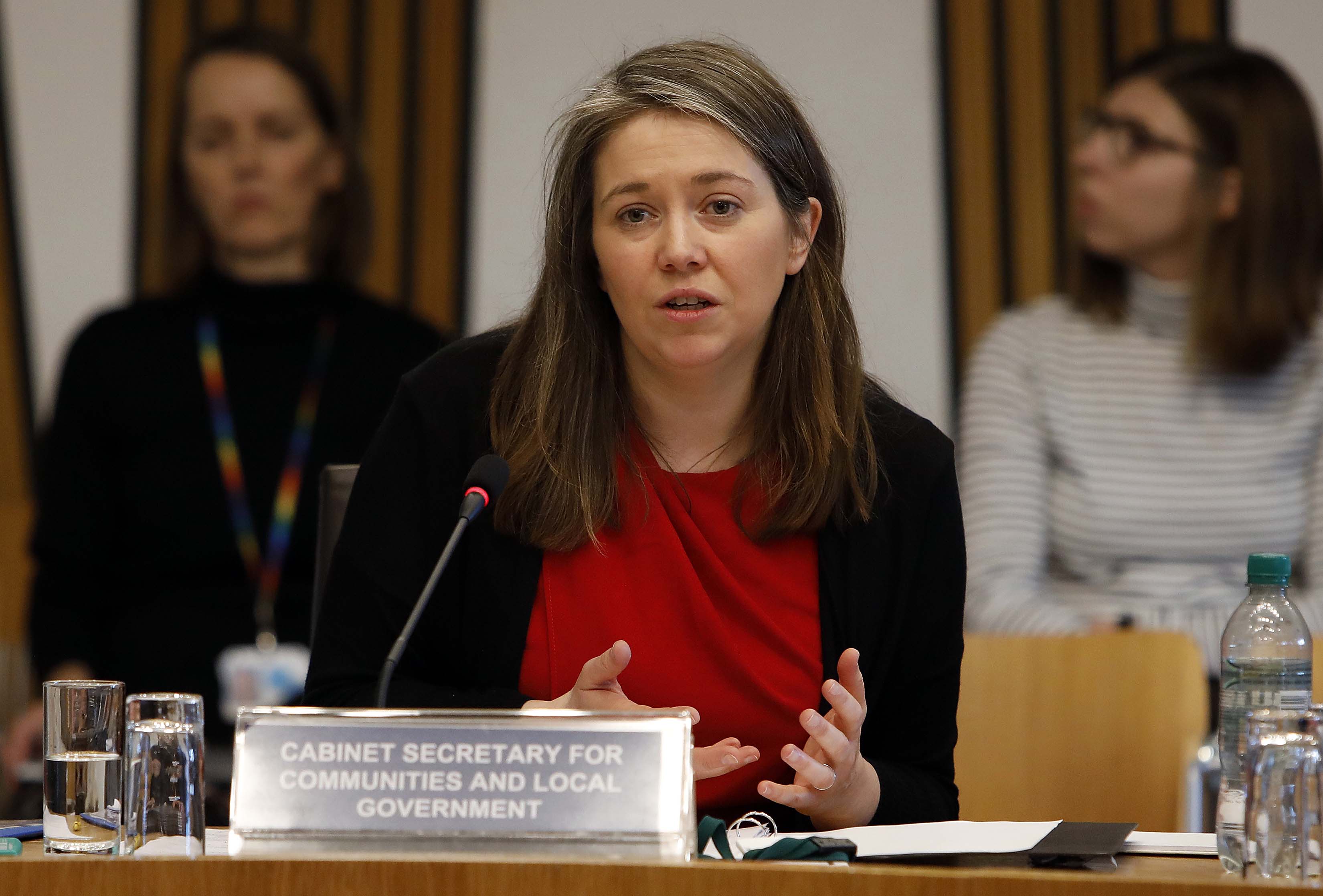
The Cabinet Secretary told the Committee that if there was a 5% annual increase on uptake each year the estimated cost over the lifetime of the next Parliament could be up to £80 million. A further breakdown of this figure was provided to the Committee in a letter from the Cabinet Secretary dated 14 January 2020. This would, the Cabinet Secretary said, represent a substantial proportion of her budget and could have a knock on effect on other areas of spending. She highlighted that, if Parliament passed the Bill at Stage 1, Scottish Ministers would also be expected to introduce a financial resolution that committed to meeting the cost of implementation and considered that
"the lack of clarity poses significant challenges to understanding the likely cost to the public purse and the level of future spend to which the Scottish Ministers would be committed by introducing such a resolution"
Scottish Parliament
Ms Lennon told the Committee that she believed the Scottish Government needed to be more transparent about how it had arrived at some of its figures. In a follow up letter to the Cabinet Secretary dated 10 January 2020, she also referred to the unit costs stated by Hey Girls which are very similar to the ones set out in the FM.
The Cabinet Secretary wrote to Ms Lennon on 22 January 2020 setting out the reasons as to why she considered £24 million per annum was a more realistic estimate than £9.7 million. These are (1) that the unit price of 9p is too low and the Scottish Government estimates are based on "real" products costs from data collected from local authorities and colleges at 17.6p and 16.1p; (2) that the FM estimates an annual administrative cost of £0.866 million regardless of uptake and delivery and the Scottish Government estimate includes maximum uptake and alternative delivery models which increases this cost to 4.7 million; (3) that the Scottish Government uses a wider age range of 12-54 rather than 13-50 as used in the FM and (4) that the Scottish Government includes provision for students throughout the whole year. The Cabinet Secretary reiterated that no costs were estimated for postage or initial set up costs such as training, infrastructure and stock holding.
The Cabinet Secretary also addressed Ms Lennon's query relating to the low unit cost provided in evidence by Hey Girls and clarified that the Scottish Government had not mandated a particular supplier in order to allow maximum flexibility. She said, as a consequence, local providers are able to decide which products they wished to supply through their own procurement process and many sought to offer choice. It was, therefore, "unlikely that every local authority, college and university would move to providing only Hey Girls products which would be the only way that we can envisage costs falling to 9p on average". The Scottish Government, she said, based their estimate on an average of 17p per product from data collected at the six month point from existing providers stating however that"we do expect that unit prices may fall over time as existing contracts come to an end".
On the question of recurring costs, the Cabinet Secretary, accepted that costs associated with current measures were also likely to increase as the scheme evolved but said that in working in partnership there was more control over these costs. She argued that the scheme in the Bill is universal so there would be further bureaucracy attached to it and other ways which could mean that costs would increase such as a postal element. The Committee explored whether a universal scheme ran the risk of creating "minimum standards" and whether the current variety of products on offer could suffer as a consequence of broadening access. The Cabinet Secretary said there was every chance of that happening. She said
"When I visited the University of Edinburgh I saw a variety of well know brands of products alongside reusable products that are new to market. The intent of that provision is to ensure that people can shift towards those newer products although they have higher one off costs. That variety of products is already being distributed across many different institutions, In many respects it would be a pity if that variety was lost because of the cost issue".
In respect of resusable products, evidence from witnesses including Hey Girls suggested that there must be a move to think more sustainably. Although there is not a high uptake of these at present and it was recognised that they are not suitable for everyone, if reusable products were made widely available and women were supported in using them, this would change and also help to reduce future costs of provision.
Ms Lennon reiterated that it would be up to Ministers to devise and develop an appropriate scheme but that her "preference would be for a scheme that made available a range of tampons, pads and reusable options such as Mooncups and resuable pads". She considered that the scheme would be a "real opportunity to promote the use of more sustainable products".
Discussion also took place in relation to Section 8 of the Bill which provides that "The Scottish Ministers may make such payments as they think appropriate to the councils, bodies, persons and education providers obliged by or under this Act to make period products available free of charge". Members of the Committee commented that the Bill placed an obligation on, for example, education providers to provide free products but use of the words "may" and "as they think appropriate" does not, in fact, mandate the Scottish Government to pay for them. They raised concerns that a lack of clarity could mean that a future government could simply change its mind about what it thinks is appropriate.
Ms Lennon told the Committee that Section 8 took a standard drafting approach which would allow Ministers flexibility regarding the best way of balancing demands on public funds and the ability to offset costs rising. She said that they would always expect future governments to be reasonable, that the wording was common in other legislation and drafting had followed what a general approach would be. In a letter to the Committee dated 24 January 2020, she provided more clarification, giving a number of examples where legislation was drafted in similar terms. Examples included legislation placing duties on education authorities to provide free school meals, books and materials free of charge to students, and promoting Gaelic in schools.
With respect to funding of a universal scheme, there was clear expectation from all witnesses that any scheme provided by the Bill should be funded by the Scottish Government. The Cabinet Secretary also commented that "the evidence to the Committee suggested that the costs would have to be fully funded" and "in reality those costs would land on the Government". When the Committee asked witnesses whether they considered the Scottish Government should meet implementation costs of a universal scheme or if these costs should be borne elsewhere (for example by workplaces in the same way they provide toilet paper), evidence from witnesses backed this up. COSLA said "We cannot possibly fund it ourselves from other resources". They argued, however, that "we also need to think about the cost of not fully funding the scheme, such as children missing out on their education and people leaving the workplace. Such costs are very hard to quantify. If we are concerned about productivity, educational opportunities and equity, such a scheme needs to be put in place."
Universities Scotland argued that in a climate of cuts to higher education funding and a tight funding environment, a statutory duty must be fully funded to be sustainable. The Orkney Partnership agreed that "it would be not possible to participate in the scheme if the Government chose not to fund it."
Unite were of the view that if a scheme did not require means testing, costs could be reduced. Engender argued that costs of days lost in education or work as a result of not having the correct products should be factored in. Plan International UK agreed, arguing that menstruation is not embedded in general community needs assessments, giving an example of women who may go to their GP suffering from endometriosis but who will not receive support to buy period products as these can not be prescribed for.
The Committee notes that there is a wide discrepancy between the annual figure of £9.7 million provided in the Financial Memorandum and the estimated £24.1 million provided by the Scottish Government in its written submission for the roll out of a universal scheme. We are advised that such a roll out may cost £80 million over the next parliamentary term. We accept that the Scottish Government has used a higher unit cost which they believe is more reflective of true costs based on feedback they have received from providers of the current scheme. The Committee considers that more clarity on costs is needed. The Committee notes also that there is an expectation from witnesses that a universal scheme would need to be fully funded by the Scottish Government.
The majority of the Committeexix is concerned about this disparity on costs and that there is little clarity, at this stage, of what the scheme would ultimately cost if the legislation is passed. Similarly, there is little clarity on the level of uptake, what promotion of a scheme may cost, how quickly the scheme would grow, what recurring costs would require to be met or what costs would be required should a postal element be included. The Committee invites the Scottish Government to clarify whether it will provide a Financial Resolution for the Bill.
Is legislation required?
The Committee asked witnesses whether they considered that legislation is required. In oral evidence, all witnesses supported the introduction of legislation. Written submissions too were largely supportive in order to future proof current measures and help positively tackle gender inequality and empower women. Seven submissions only partly supported the aims of the Bill or argued that legislation was not necessary.
Unite said legislation could be "landmark for Scotland" and that without it "the programme could be stopped tomorrow". On the Ball described their campaign as a project which "was a means to an end and the end was legislation because the free provision of sanitary products should eventually be the norm". COSLA told the Committee "We need something that is set in legislation and is more long term and permanent." They considered that "in terms of education and workplace productivity, the cost of not passing the Bill would be huge. The benefit of increasing dignity is also huge so in that sense we need to do it". North Ayrshire Council described the proposed legislation as a "massive step forward" and said that where they have been reliant on other organisations making provision voluntarily, the Bill would lock in that duty and benefit a huge number of people. They saw the impact of doing that as "immeasurable".
A number of witnesses suggested that period products should be provided in toilets as standard in the same way as toilet paper. On investigation, the Committee noted, via a briefing from Spice, that there is no universal legal provision setting out a requirement for toilet paper to be provided in toilets used outside the home. Instead, this has become a cultural norm. The Workplace (Health, Safety and Welfare Regulations 1992), however, sets out a requirement for toilet spaces within work places and the Approved Code of Practice states that "toilet paper should be provided in a holder or dispenser" and "In toilets used by women, suitable means for the disposal of sanitary dressings should also be provided". Section 20 of the 1976 Local Government Miscellaneous Provisions Actv states that if premises provides food and drink for consumption then toilets must be provided for visitors and consumers. This specifies that a local authority can require an occupier to supply sanitary appliances, to maintain and keep clean the appliances and to provide and maintain a proper supply of such things for use in connection with the appliances.
The Cabinet Secretary said she wished to ensure that everyone who needs to access period products can do so but does not support legislation to deliver that aim. She said current measures benefit 400,000 students in education and 60,000 people on low incomes and that products are available in more than 20 public bodies including libraries, community centres and sports centres. She highlighted positive feedback from the Young Scot Survey recognising that there were areas which required improvement and the Scottish Government were looking at how these could be best addressed.
She argued that measures are flexible and, not overly bureaucratic, and said that legislation setting out a scheme may erode this. She emphasised that measures were in the very early stages of policy delivery and the Scottish Government are learning and changing what they are doing and that a full evaluation of those measures was needed. She told the Committee that the Bill required a universal scheme to be in place 12 months from the Bill receiving royal assent and that would be "extremely challenging." She said
"We need to remember that passing the bill would mean that the responsibility for the provision of period products would fall entirely to the state which would make such products the only material item that the Scottish Government had a legal obligation to provide. We must consider carefully whether legislation is the best way of achieving the desired benefits."v
She also emphasised that the "the costs of Monica Lennon's approach are significant" and that "we need to be mindful of that if we are to change our approach and adopt the proposed universal system". She argued that the flexibility provided in the Bill for Ministers to deliver on its requirements had resulted in a lack of clarity of its true policy intent and mechanism of delivery.
When asked if she considered that there was a benefit to legislating and guaranteeing that current work would not be abandoned, the Cabinet Secretary reiterated that "the non-legislative route delivers better outcomes, quicker and faster". She said the Scottish Government had committed to baselining the funding to local government so she could not see such a situation arising. She explained that the Scottish Government's policy, while not aiming to make the provision of free period products universal, was also going beyond measures set out in the Bill by working in partnership internationally with projects in countries including Malawi and Rwanda.
Ms Lennon said she did not accept that having legislation which allows Ministers to design a scheme would stifle flexibility or innovation. She said that the universal scheme as set out "leaves Ministers significant latitude in how to design the universal scheme" which meant it would be up to Ministers to do it in a way that would allow local needs to be met. She praised the collaborative and pioneering work that organisations and the Scottish Government were undertaking but reiterated that the only guarantee that work would continue was to put a duty in legislation.
When asked if she agreed that everyone who needs period products should have access to them as a right, the Cabinet Secretary said that the aim of current measures was to create universal access by targeting provision through education settings and local authorities with a focus on poverty. She did not say that access to period products was a right in itself but that not having period products could inhibit rights. She told the Committee that the current provisions are about targeting women who do not have access so they may exercise their other rights, i.e. to work and education.
The Cabinet Secretary emphasised her position to the Committee in a follow up letter dated 14 January 2020. She said
"What (this Bill) does is establish a right for everyone in Scotland to receive period products for free, sets out that these must be available by post and then leaves it to the Scottish Government to design and implement this new public service through Regulations for delivery across 32 local authorities and an unquantified number of public facing bodies and public service bodies. Ms Lennon wrote offering to make a number of amendments at Stage 2 in return for our support. However, given the number of amendments and that she is not proposing removing Section 1 which sets out an absolute right to products, I am unconvinced that this Bill could be amended to make it workable."
The Committee acknowledges that there is support for legislation to provide free period products. While the Committee is unanimous in our support for the intentions underpinning the Bill, we have a number of concerns about the Bill as drafted which we are not satisfied have been addressed or resolved. Our biggest concerns relate to the lack of clarity about the true costs of a universal scheme and what that scheme would look like.
We note the Scottish Government's position that further evaluation of current measures is required before they consider changing their approach from a targeted to a universal one. We note also Monica Lennon's position that there remain issues under current measures of unmet need and stigma and that, in her view, legislation is the only mechanism to guarantee funding and future proof provision. The majority of the Committee,xiii however, notes the positive response to current measures and that evaluation is being undertaken to address where improvements can be made. On balance, therefore, we are not persuaded that legislation is required and a majority of the Committee do not support the general principles of the Bill.