Economy, Jobs and Fair Work Committee
Annual Report 2016-17
Introduction
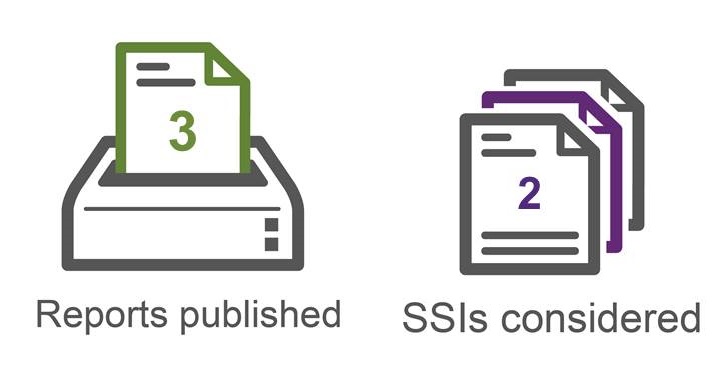
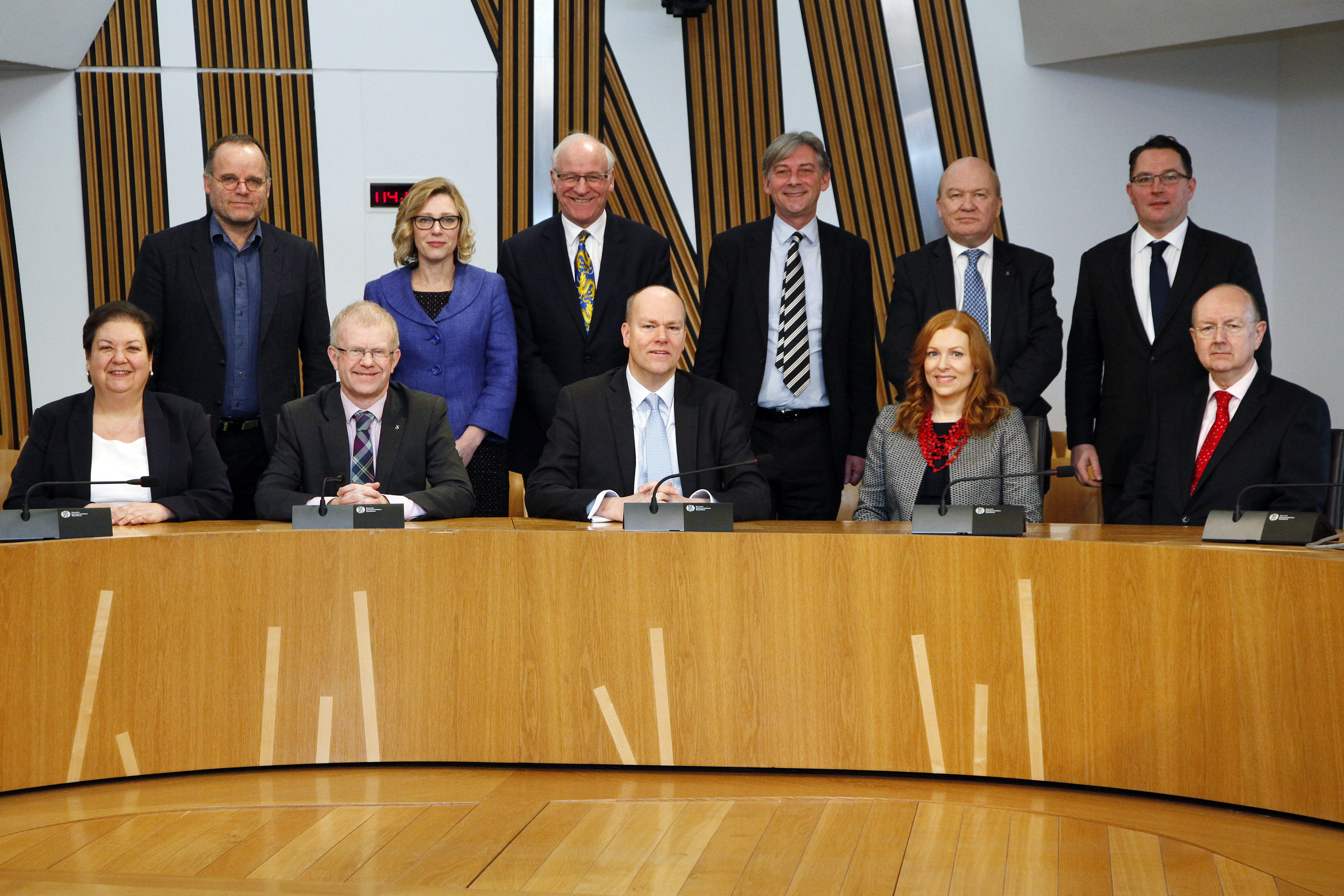
This report covers the work of the Economy, Jobs and Fair Work Committee during the Parliamentary year from 14 June 2016 to 10 May 2017. During this period, the Committee has conducted a number of inquiries and one-off evidence sessions and considered two pieces of secondary legislation.
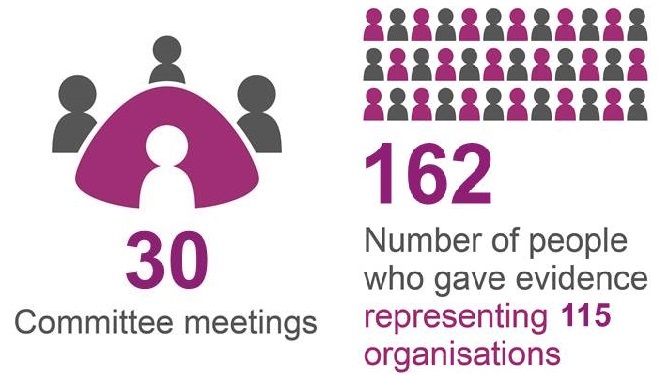
During the parliamentary year (from 14 June 2016 to 10 May 2016) the Committee met 30 times. Two meetings were held entirely in private and 28 were partly in private. Of the 28 meetings where some or all of the items were in private, this was to consider draft reports or to discuss approaches to inquiries or review evidence heard.
Membership changes
Previous Members of the Committee during the reporting year:
Liam Kerr (from 14 June 2016 to 24 January 2017)
Inquiries and reports
Economic Impact of Leaving the European Union
The referendum on whether the UK should leave or remain in the EU took place just after the Committee was formed. The Committee agreed that its first inquiry should be to look into the potential economic impact of leaving the European Union, focussing on the possible impacts and opportunities for: Scotland's exporters, non-UK companies investing in Scotland and the labour market (including migration and worker rights). The Committee sought to hear, understand and convey the views of and potential impact on Scottish businesses and workers based in Scotland.
In an attempt to understand the views of employers and employees, the Committee issued a call for written views, received 17 submissions and heard from 35 organisations over nine meetings. Committee members also visited 18 companies and organisations in various sectors around the country.
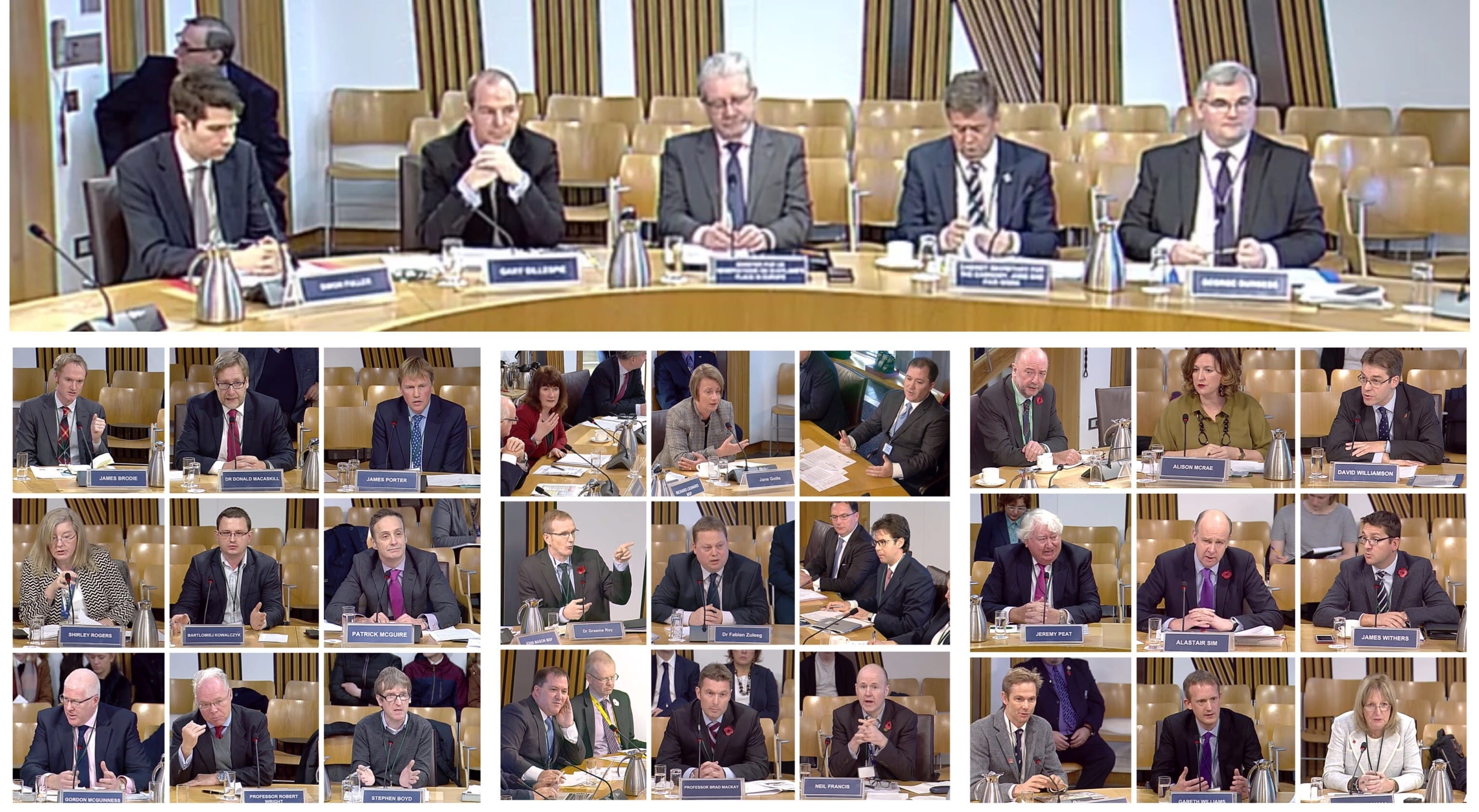
The Committee published its report on 3 February. Recommendations focussed on the support for businesses (particularly small and medium-sized enterprises) to export both to EU and beyond. The Committee highlighted the need to focus on attracting new inward investment and that Scotland has specific demographic challenges in relation to the labour market.
The Committee's report was debated in the Chamber on 28 February. The Committee noted in its report that the UK's exit from the EU is an evolving policy area. The Committee's report represents a snapshot in time and the Committee will consider whether to carry out further inquiry work on this policy area when more is known about the terms of leaving the EU.
Draft Climate Change Plan
The Draft Climate Change Plan was laid before the Scottish Parliament on 20 January. The Parliament had a statutory duty to respond within 60 days.
The Committee, alongside the Local Government and Communities Committee and the Rural Economy and Connectivity, agreed to consider the plan in collaboration with the Environment, Climate Change and Land Reform Committee. The Committee focussed its scrutiny on electricity generation, homes and heating and heat demand and supply for services and industry. As part of its scrutiny, the Committee received 41 written submissions and heard from 21 witnesses over three meetings.
The Committee published its report, alongside the other committees on 10 March and took part in the Chamber debate on 16 March. The Committee will continue its work in this policy area with scrutiny of the Scottish Government's energy strategy, which the Scottish Government describes as a "free-standing companion" to the Climate Change Plan.
Draft Budget Scrutiny 2017-18
The Committee considered Scottish Government spending that fell within its remit. The late publication of the Draft Budget 2017-18 severely restricted the time available for scrutiny this year.
Over three sessions the Committee undertook pre-budget scrutiny, taking evidence from Highlands and Islands Enterprise ("HIE"), Scottish Enterprise ("SE"), and a panel of energy efficiency/fuel poverty experts. After the publication of the budget the Committee took evidence from the Cabinet Secretary for Economy, Jobs and Fair Work and Scottish Government officials. The Committee received 10 written submissions.
Using the time available the Committee focussed its scrutiny on spending on enterprise and energy efficiency/fuel poverty.
The Committee published its report on 27 January. Recommendations focussed on Scottish Enterprise's budget, trade and investment support, women in enterprise, economic data, energy efficiency/fuel poverty (the preventative spend agenda, the need for a full cost analysis and rural fuel poverty). The Cabinet Secretary responded on 28 February.
Gender Pay Gap
The Committee is about to complete an inquiry into the gender pay gap. The inquiry has explored the effect of the gender pay gap on the Scottish economy, with a focus on business performance, the public sector and Scottish Government action required to address the issue.
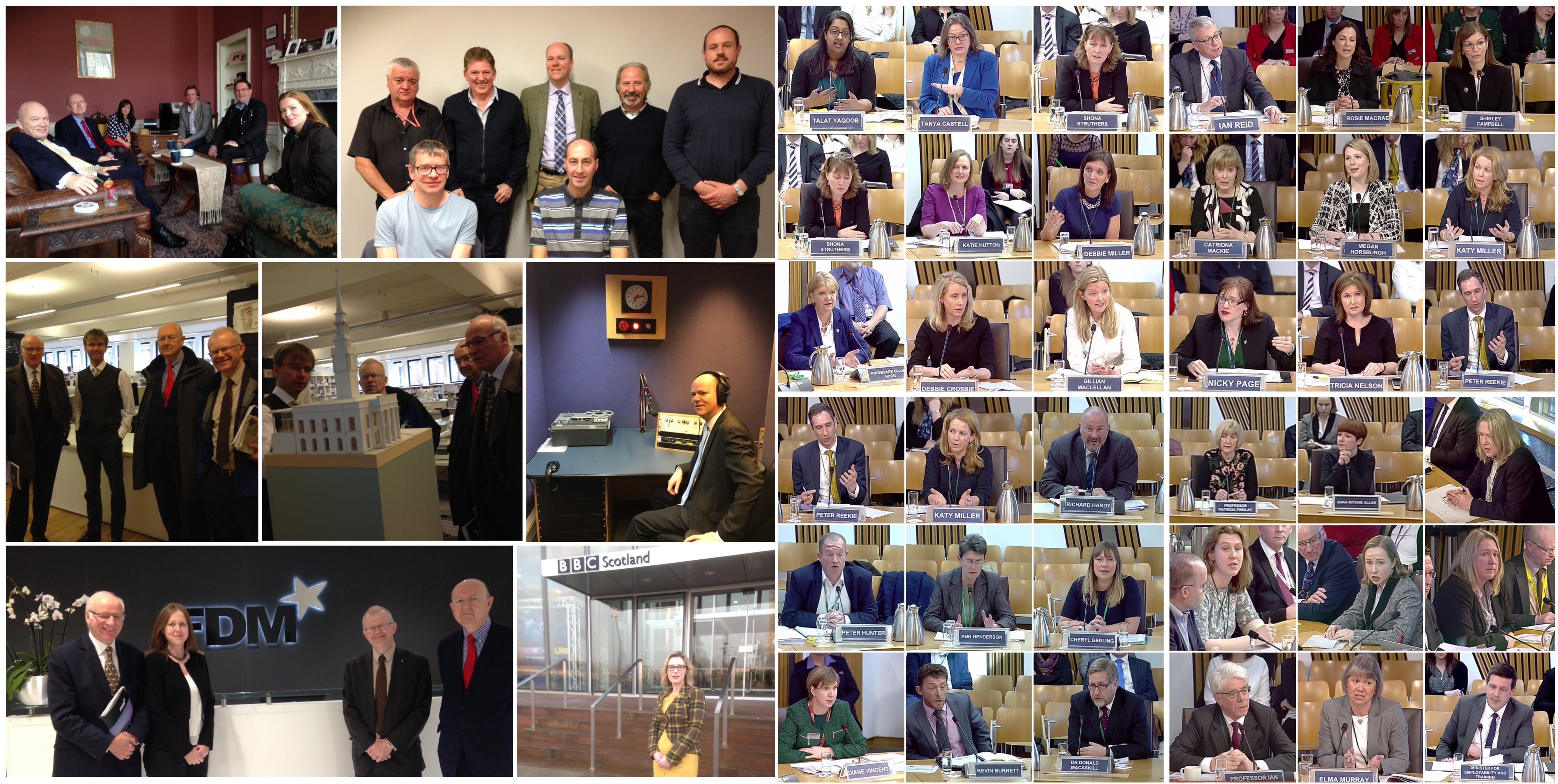
Over the course of six meetings the Committee heard from 43 organisations and received 46 written submissions. Committee members also visited five companies across the country. An engagement programme for the inquiry was undertaken on Twitter resulting in 88 "selfie" submissions. A survey was issued to attendees of the Scottish Parliament 2015 Inspiring Young Women conference.
The Committee intends to report before summer recess.
One-off evidence sessions
Labour Market Strategy
The Committee held a one-off evidence session on the Scottish Government's Labour Market Strategy at its meeting on 6 September. The Committee took evidence from the Minister for Employability and Training.
The Strategy sets out the Scottish Government's approach to the labour market and what actions it will take. It also establishes a Strategic Labour Market Group to work alongside the Fair Work Convention, advising Ministers on developments in the labour market. The Committee has agreed to keep a watching brief on the work of this group.
Airdrie Savings Bank
After the announcement in January that the Airdrie Savings Bank (ASB) is to close, the Committee decided to hear from the Bank, Unite the Union and Professor Charles Munn, an expert on the history of the Bank on why this decision was made, as well as understanding the potential impacts on employees, communities and the banking/credit union sector. This session took place on 21 February.
Subordinate legislation
In this parliamentary year, the Committee dealt with two negative instruments.
In its consideration of the Bankruptcy Fees (Scotland) Regulations 2017, the Committee took evidence from the Govan Law Centre, ICAS, the Accountant in Bankruptcy's Chief Executive and the Minister for Business, Innovation and Energy.
After considering the evidence, the Committee wrote to the Minister highlighting a number of concerns about the instrument including the process for determining fees and the level of consultation carried out prior to preparing the instrument. In his reply the Minister informed the Committee that the instrument would be revoked to ensure that the Scottish Government are able to best address the points raised by the Committee. The Bankruptcy Fees (Scotland) Revocation Regulations 2017 then revoked the instrument.
Engagement and equalities
The Committee has one member from the previous Economy, Energy and Tourism Committee and seven members that are new to the Parliament. To enable stakeholders to meet with the new members a series of five breakfast briefings were arranged covering small business, energy, big business, fair work and enterprise.
The themes of each meeting were as follows:
13 September: Small to Medium-Sized Business
20 September: Energy
27 September: Big Business
4 October: Fair Work and Employee Voice
25 October: Enterprise Agencies
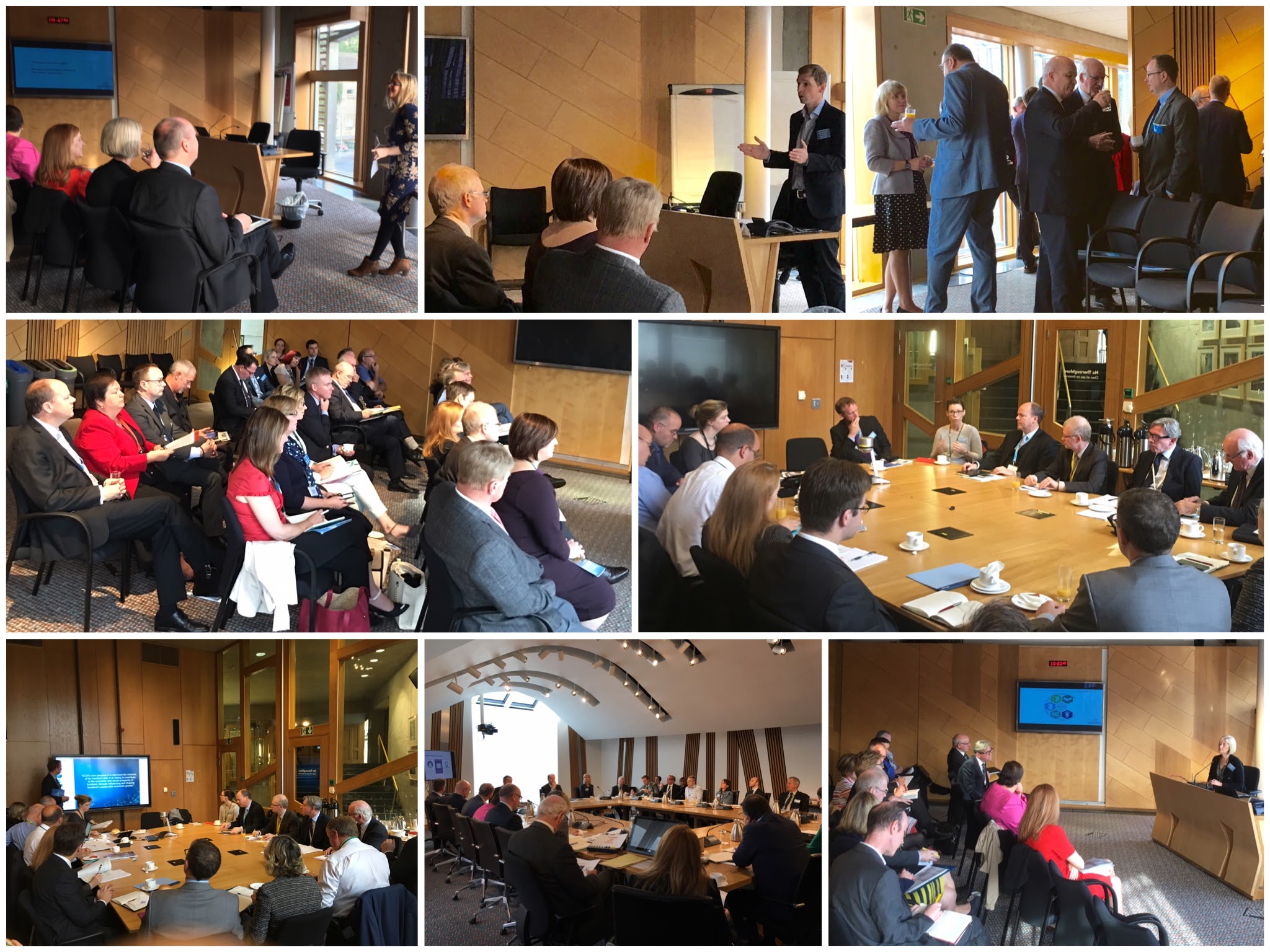
As part of a Committee survey of stakeholders, Women's Enterprise Scotland (WES) mentioned that they were considering developing training for women as to how they might prepare to give evidence. The Committee agreed that working with WES would assist in the Committee's engagement with business owners; engaging with businesses is vital to our work.
In November, Women's Enterprise Scotland gathered their 15 ambassadors, female entrepreneurs who act as role models for other women in business, for two days of training. As part of this training, the Committee (along with the Parliament's Outreach Services) ran an event aimed at increasing awareness of the work of Parliamentary committees and how to engage with the Parliament.
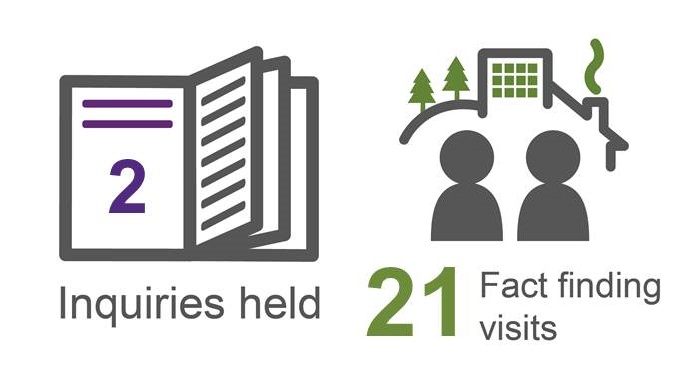
To engage with organisations that were unable to provide formal evidence, the Committee made a point of visiting 21 organisations (including businesses of varying sizes) across Scotland as part of its inquiries.
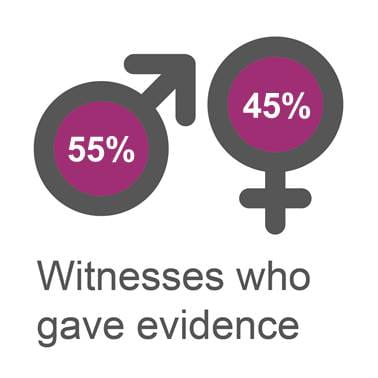
Of the witnesses that gave evidence during the Parliamentary year, 90 have been men and 72 have been women, representing a ratio of 5:4.
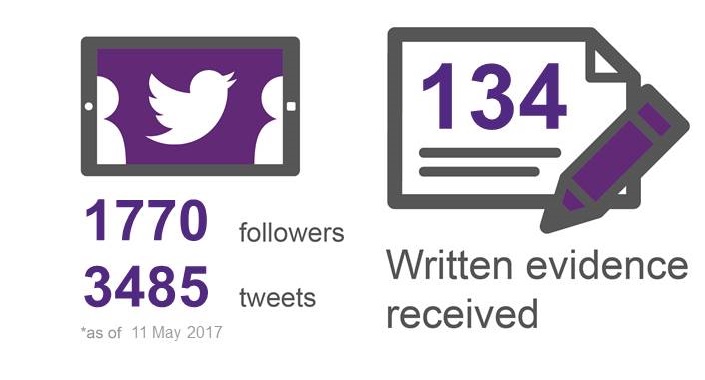
In addition to the Committee's presence on Twitter, the Committee publishes a weekly newsletter which is sent out to a wide range of stakeholders that covers its current and future work.
Infographics